How to identify maple trees in winter
You tap in late winter, when the leaves are long gone. Here's how to tell your maples apart by bark, buds, and branching — which ones make the best syrup, and which "maple" is actually an oak.
Look at how the twigs pair up.
Maples — and boxelder — have opposite branching: buds and twigs grow in pairs, directly across from each other. Oaks, birches, and walnuts are alternate: they zig-zag up the branch. If the twigs alternate, it isn't a maple.
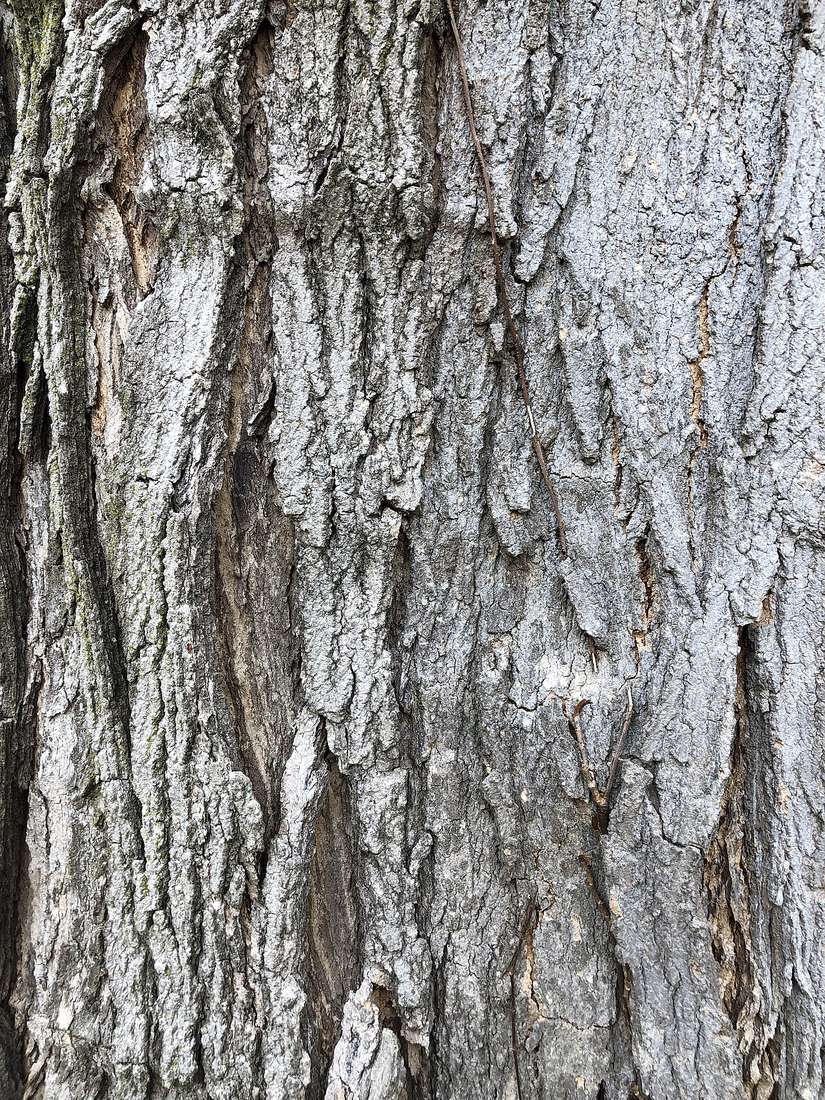
Sugar maple
Acer saccharum
The gold standard — if you've got one, tap it first.
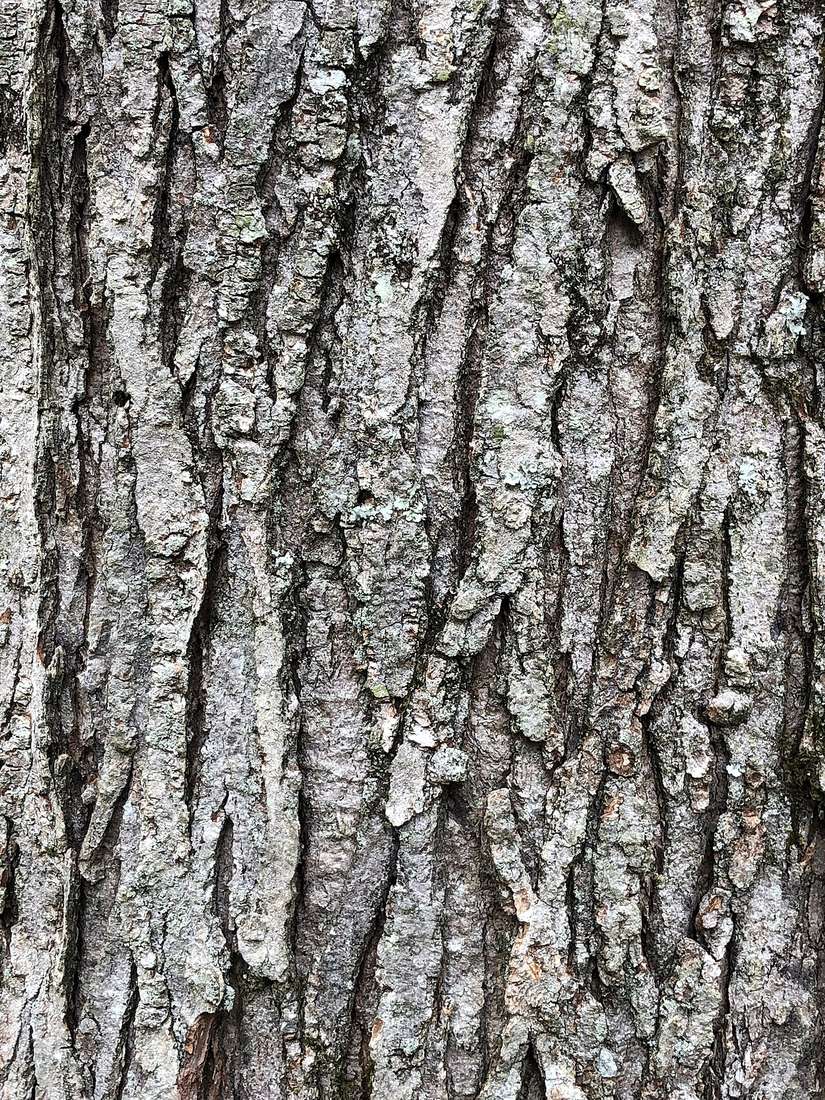
Red maple
Acer rubrum
A solid second choice — good syrup, just a shorter and usually less sweet season.
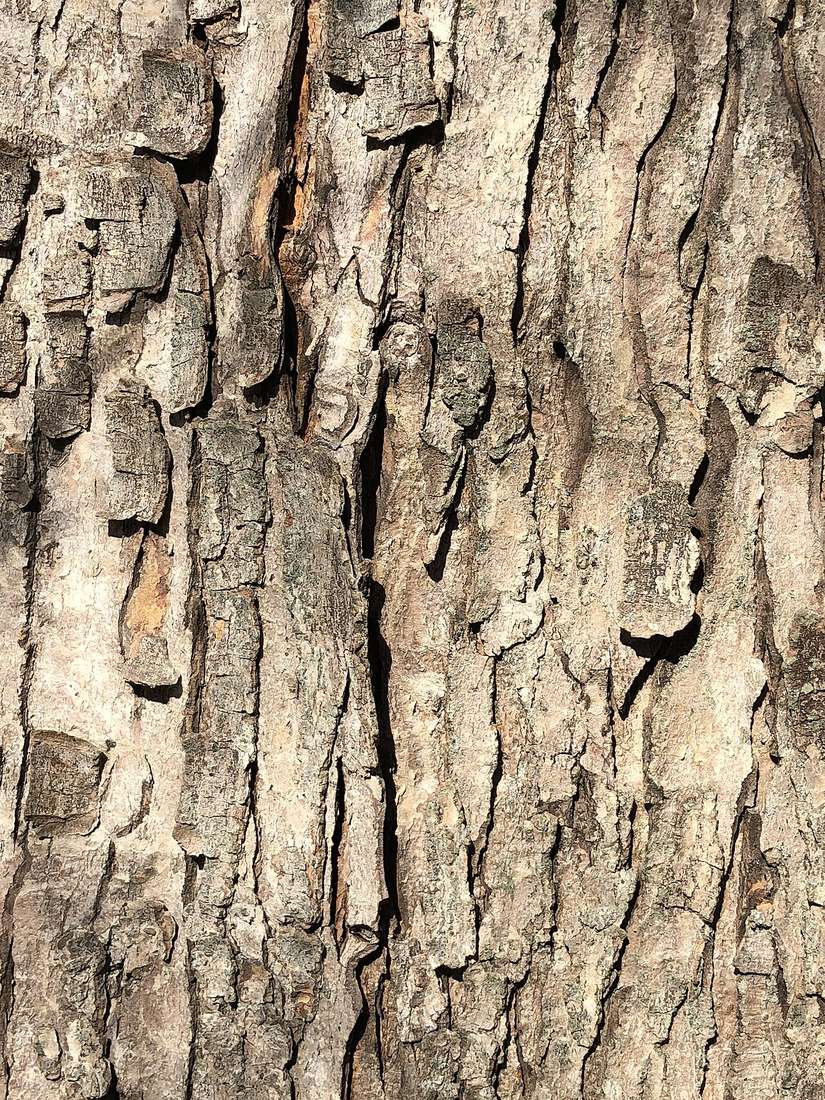
Silver maple
Acer saccharinum
Tappable, but usually the fourth pick — first to bud and often lowest in sugar.
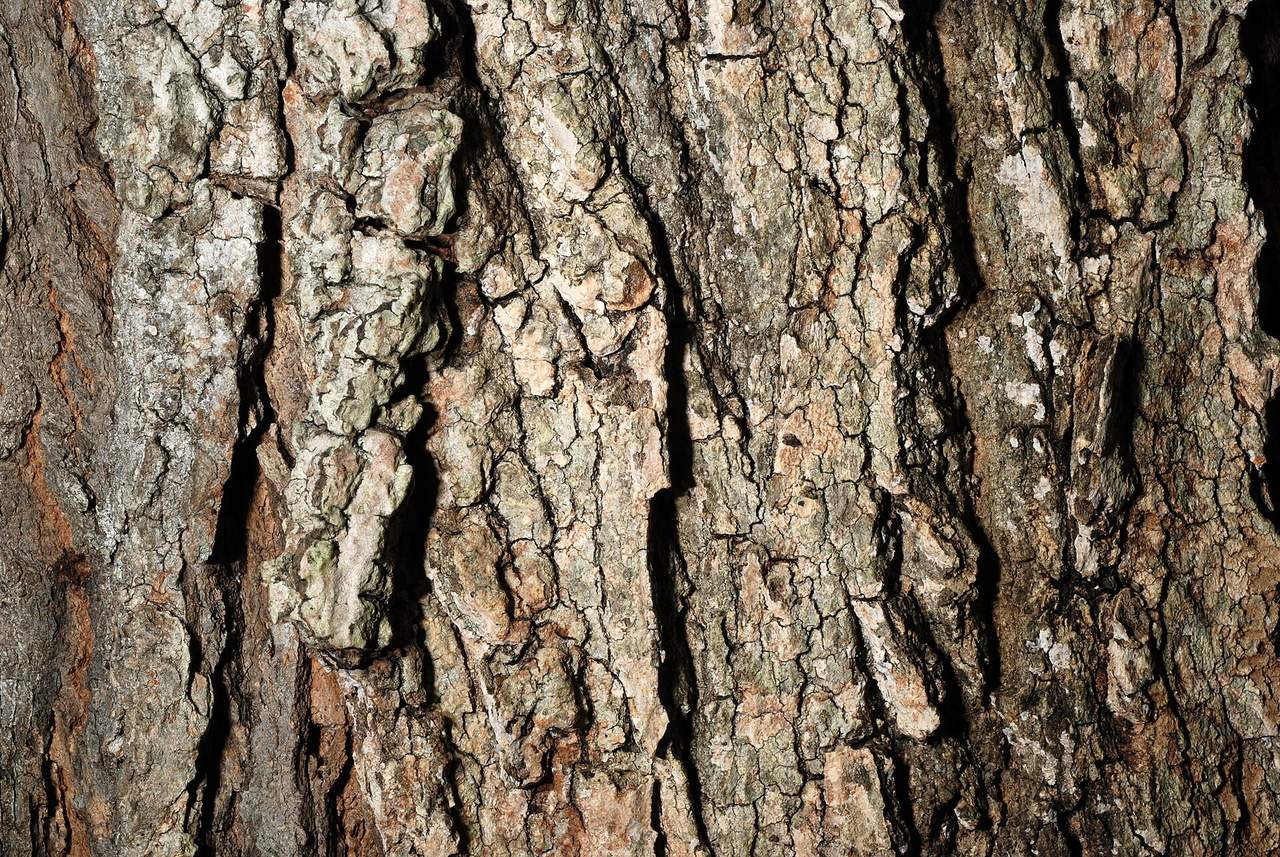
Black maple
Acer nigrum
Tap it exactly like sugar maple — same sweet sap, same long season.
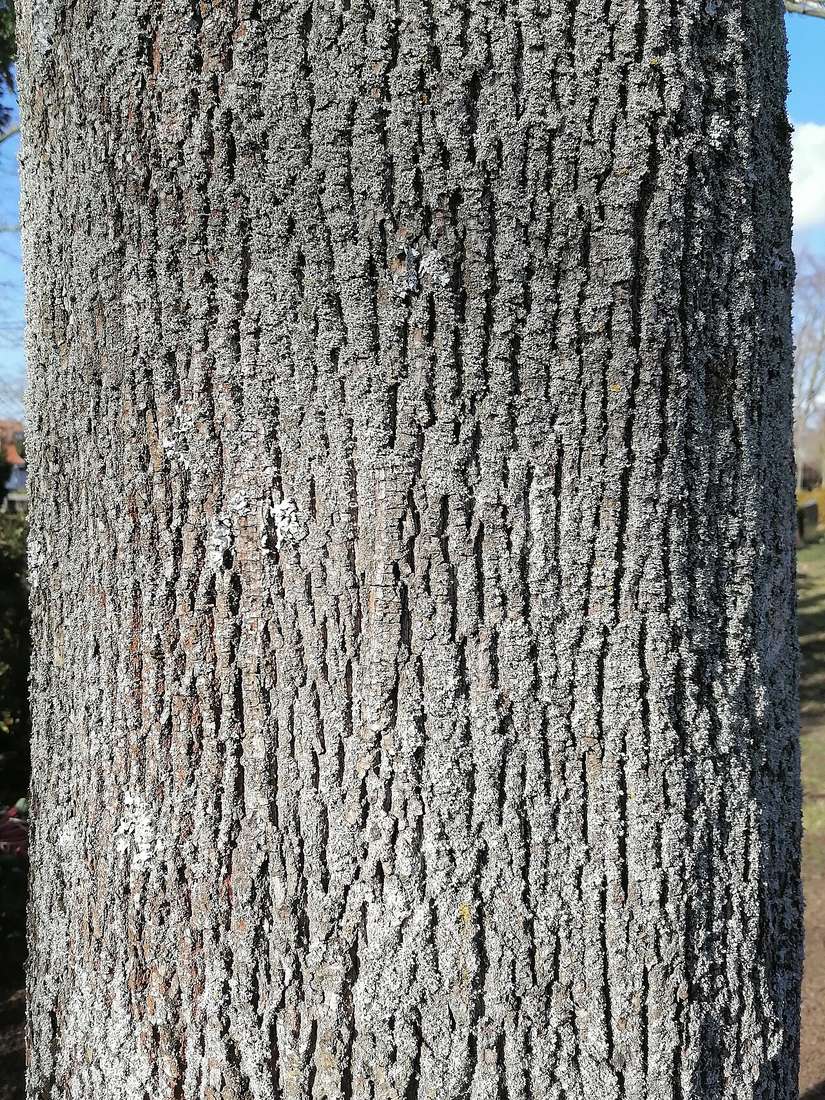
Norway maple
Acer platanoides
Tappable and surprisingly sweet, but stingy with sap — and an invasive you shouldn't plant.
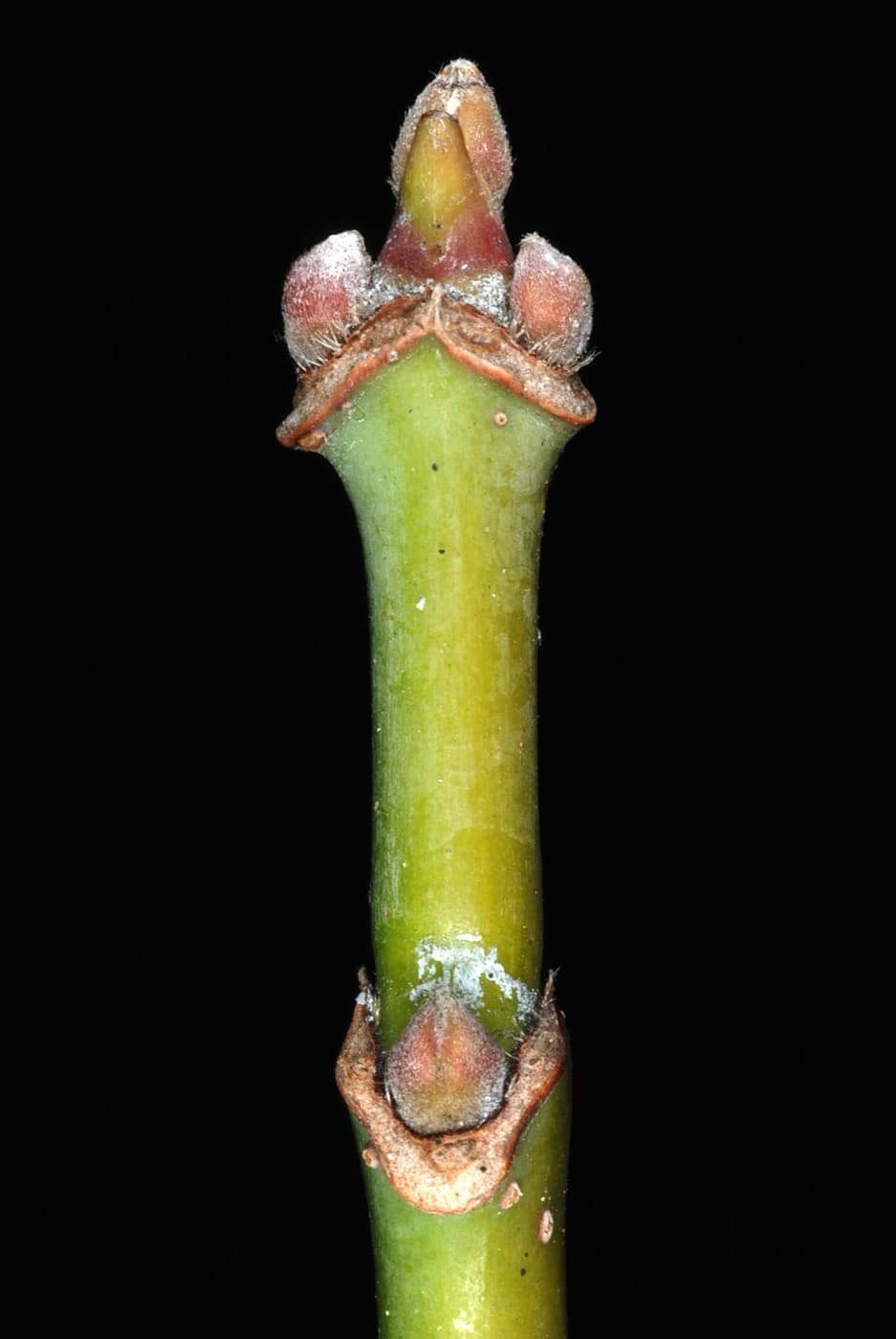
Boxelder
Acer negundo
Yes, it's a real maple and its sap can be sweet — just expect less of it and a darker, molasses-like syrup.
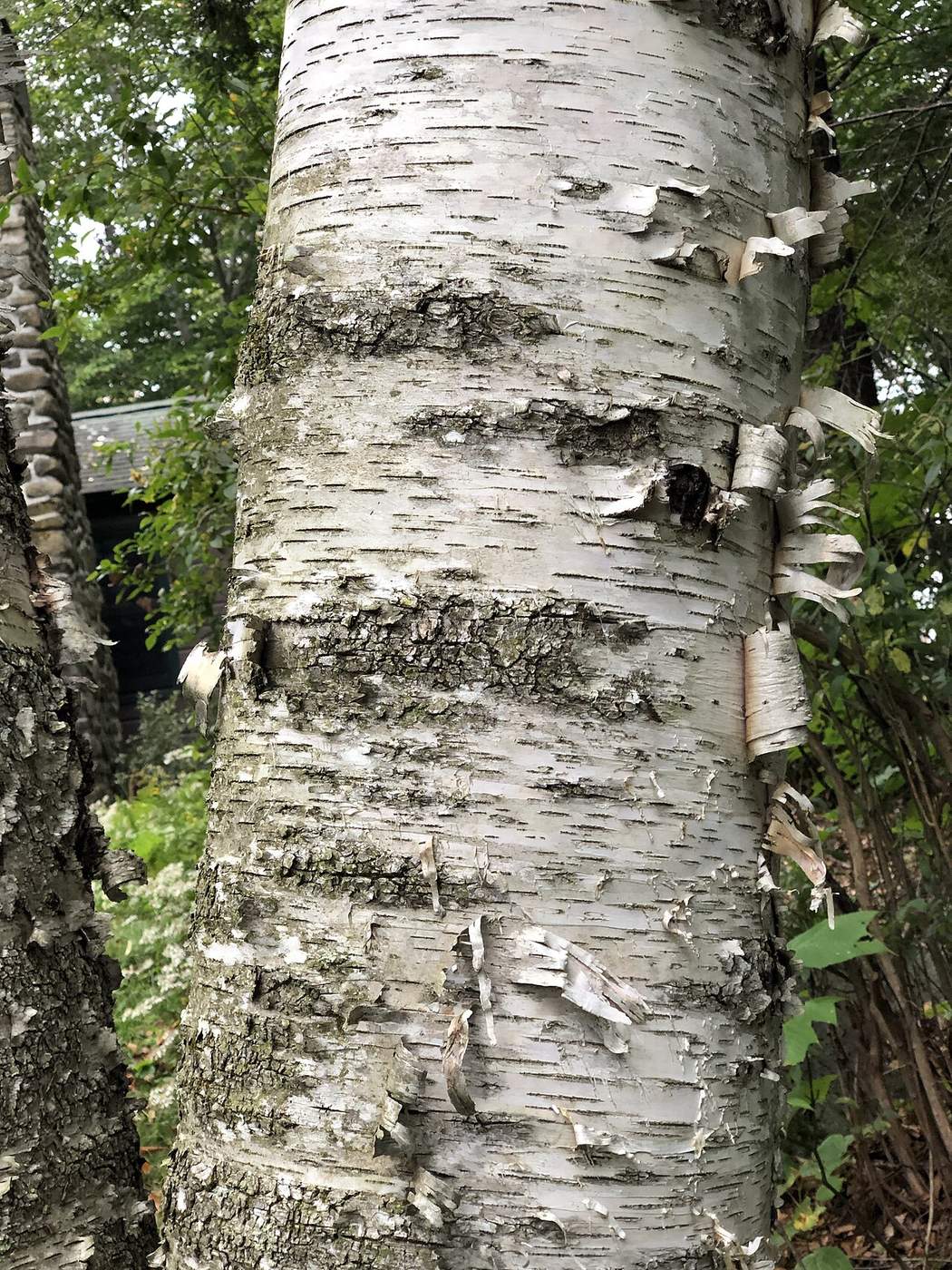
Paper birch
Betula papyrifera
You can tap it, but it's a different sport — around 100+ gallons of sap per gallon of syrup, after maple season ends. Save it for year two.
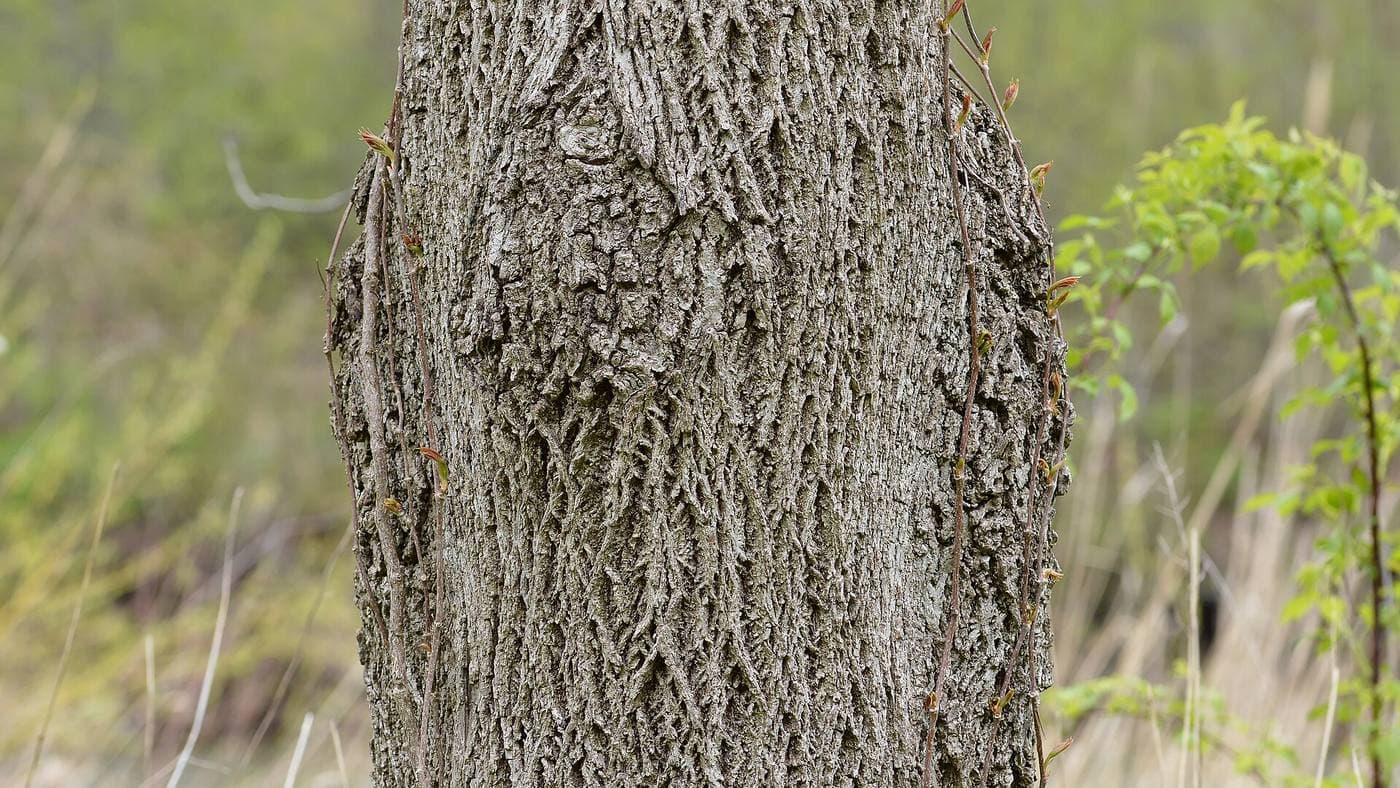
Black walnut
Juglans nigra
Sweet sap and nutty, maple-like syrup — but only a trickle compared with a maple, so treat it as a fun side project.
Wait — did I just tap an oak?
- It's an easy mix-up: big gray-barked oaks grow right alongside sugar maples, and “red oak” and “red maple” even share a first name.
- The fastest test is branching. Maples (along with ashes and dogwoods) are opposite — buds and twigs come in matched pairs. Oaks are alternate, with buds staggered up the twig.
- Check a twig tip: oaks carry a cluster of several buds at the very end. A maple has one tip bud flanked by a single pair.
- Dead brown leaves rattling on the branches in February are a classic oak (and beech) habit, especially on young trees and lower limbs — a clue, not proof, so confirm with the branching test.
- Bark clues: northern red oak has wide, flat-topped ridges separated by shallow furrows (like ski tracks), often reddish in the cracks; white oak is ashy gray and scaly to blocky. Sugar maple's plates curl outward at one edge.
- Acorns underneath settle it. Oaks aren't on the syrup-tree lists — the producers' manual covers maples, and Cornell's alternative-syrup research covers birch and walnut — so if you tapped one, pull the spile and go find a maple.
Sources
- Mind Your B's to Identify Winter Trees — University of New Hampshire Extension
- Bark, Buds and Beyond: A Guide to Identifying Winter Trees — New York State Parks, Recreation and Historic Preservation
- Northern red oak (Quercus rubra) — Virginia Tech Dendrology Fact Sheet — Virginia Tech Dendrology (Dept. of Forest Resources & Environmental Conservation)
- White oak (Quercus alba) — Virginia Tech Dendrology Fact Sheet — Virginia Tech Dendrology (Dept. of Forest Resources & Environmental Conservation)
- The stubborn beauty of oak leaves: marcescence explained — University of Illinois Extension
- North American Maple Syrup Producers Manual, 2nd ed. (Bulletin 856) — Ch. 3 “The Maple Resource” and Ch. 7 “Rule of 86” — Ohio State University Extension with the North American Maple Syrup Council
- Tapping Walnut Trees for a Novel and Delicious Syrup (M. Farrell) — Cornell Small Farms Program
Log every run. Know your season.
LuckySap is the maple syrup tracker for iPhone: a sap-flow outlook for your trees, a quick log for every collection and boil, and season stats you can compare year to year. Free to download.