Acer negundo · also Ashleaf maple, Manitoba maple
Can you tap a boxelder?
Short answer
Fair, lower yieldYes, with caveats. Yes, it's a real maple and its sap can be sweet — just expect less of it and a darker, molasses-like syrup.
- Sap sugar
- 2.2–2.8%
- Sap : syrup
- 31–39 : 1
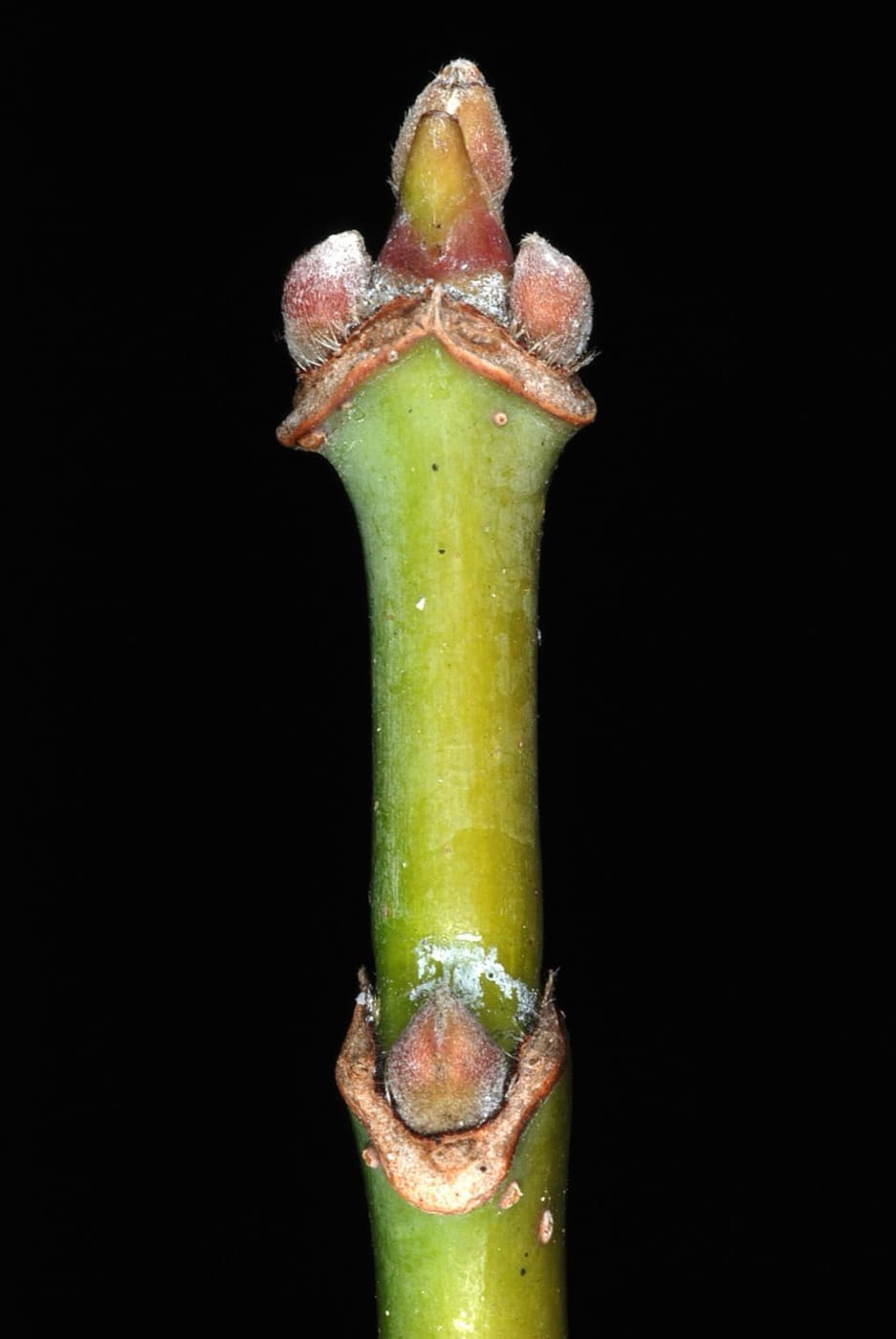 Winter buds & twig
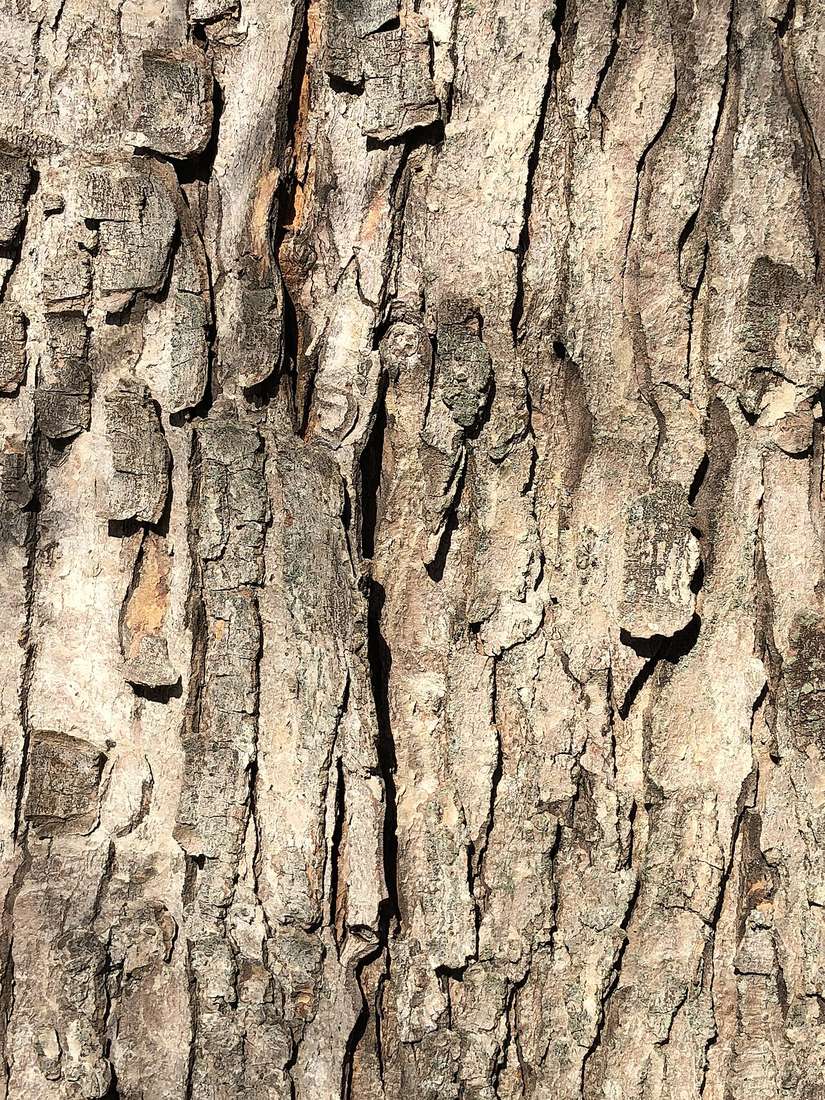
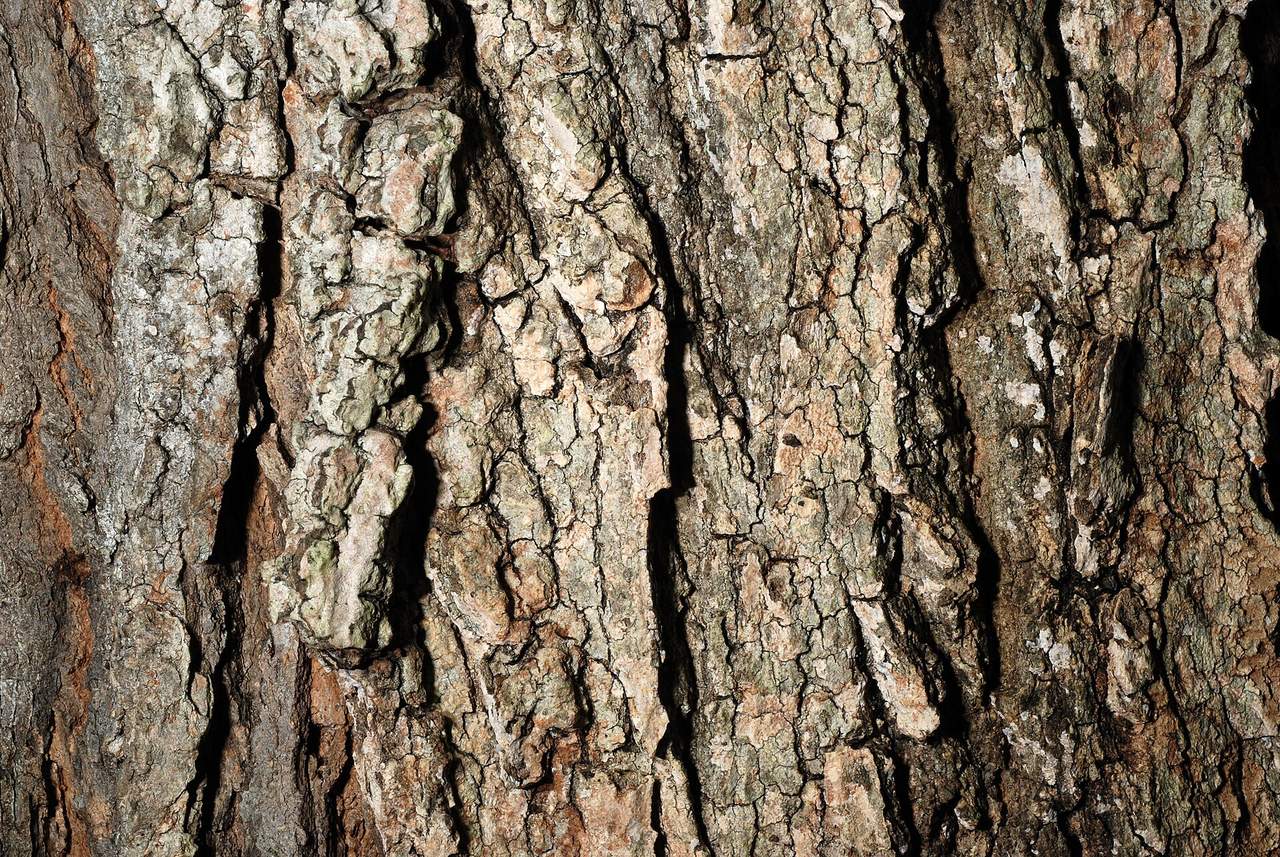
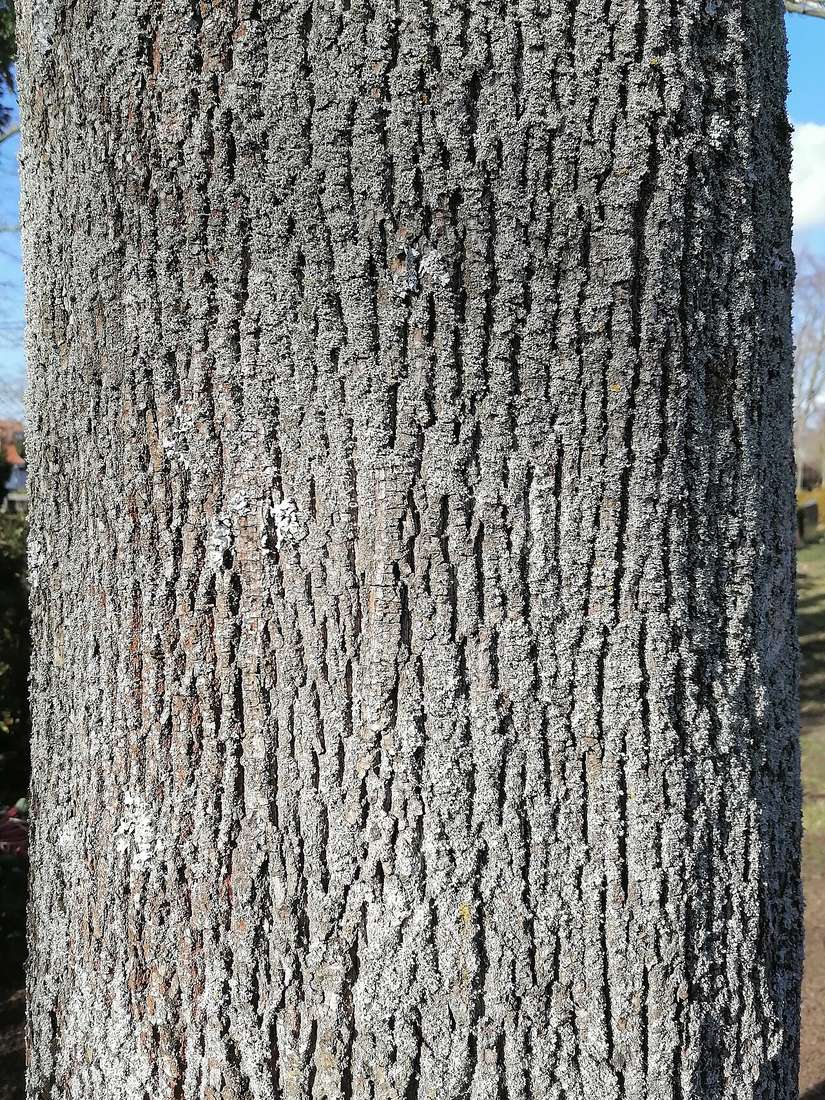
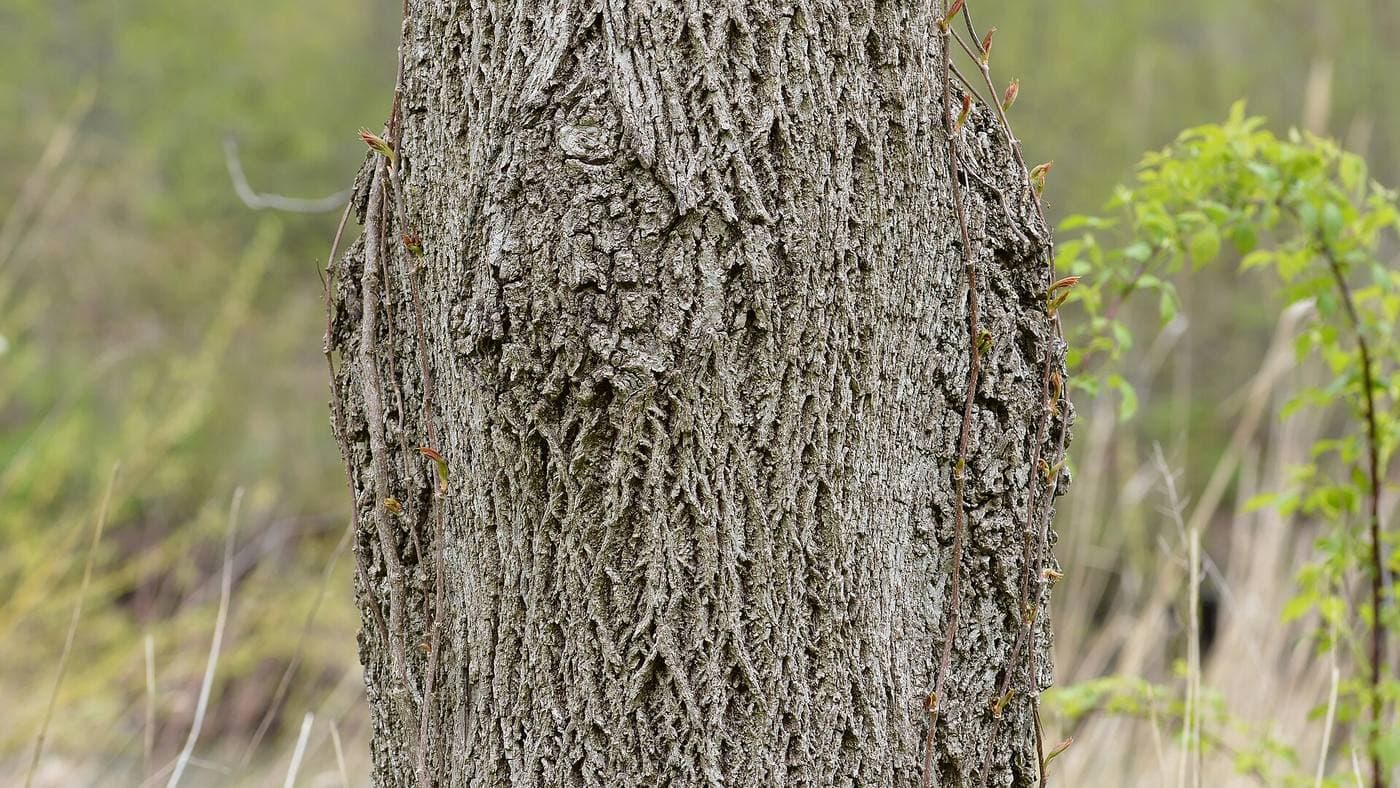
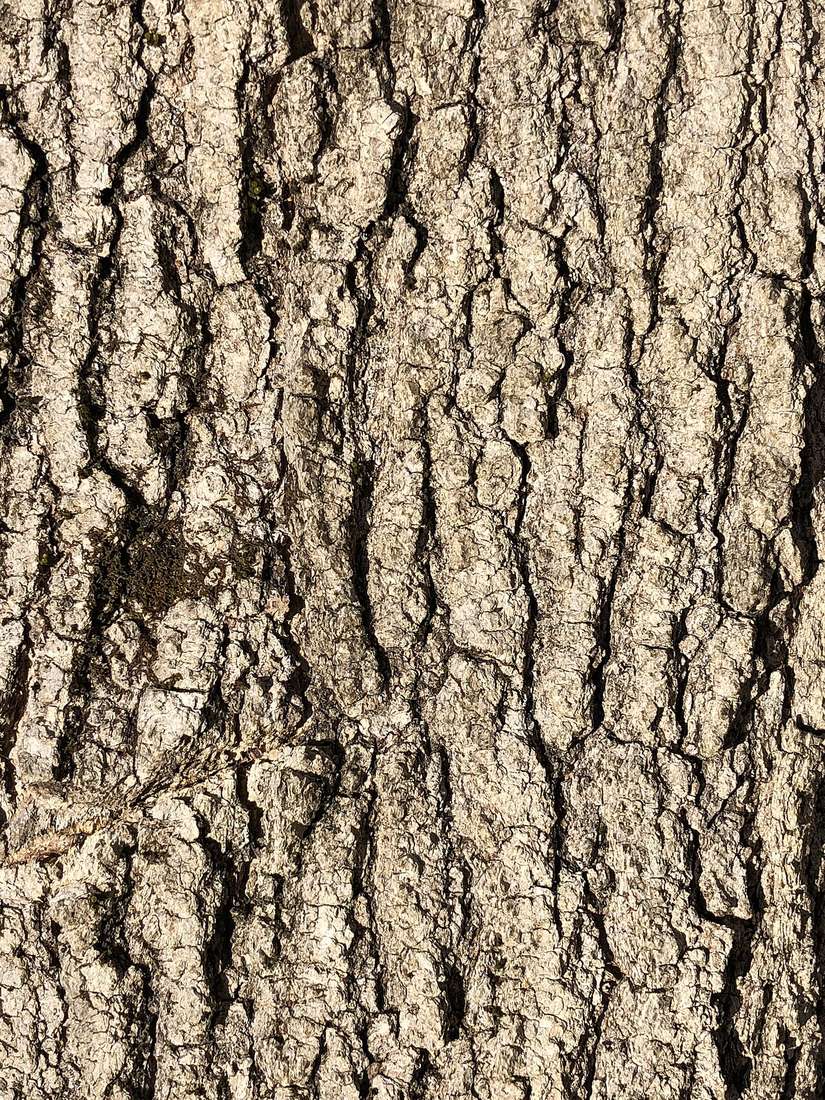 Bark
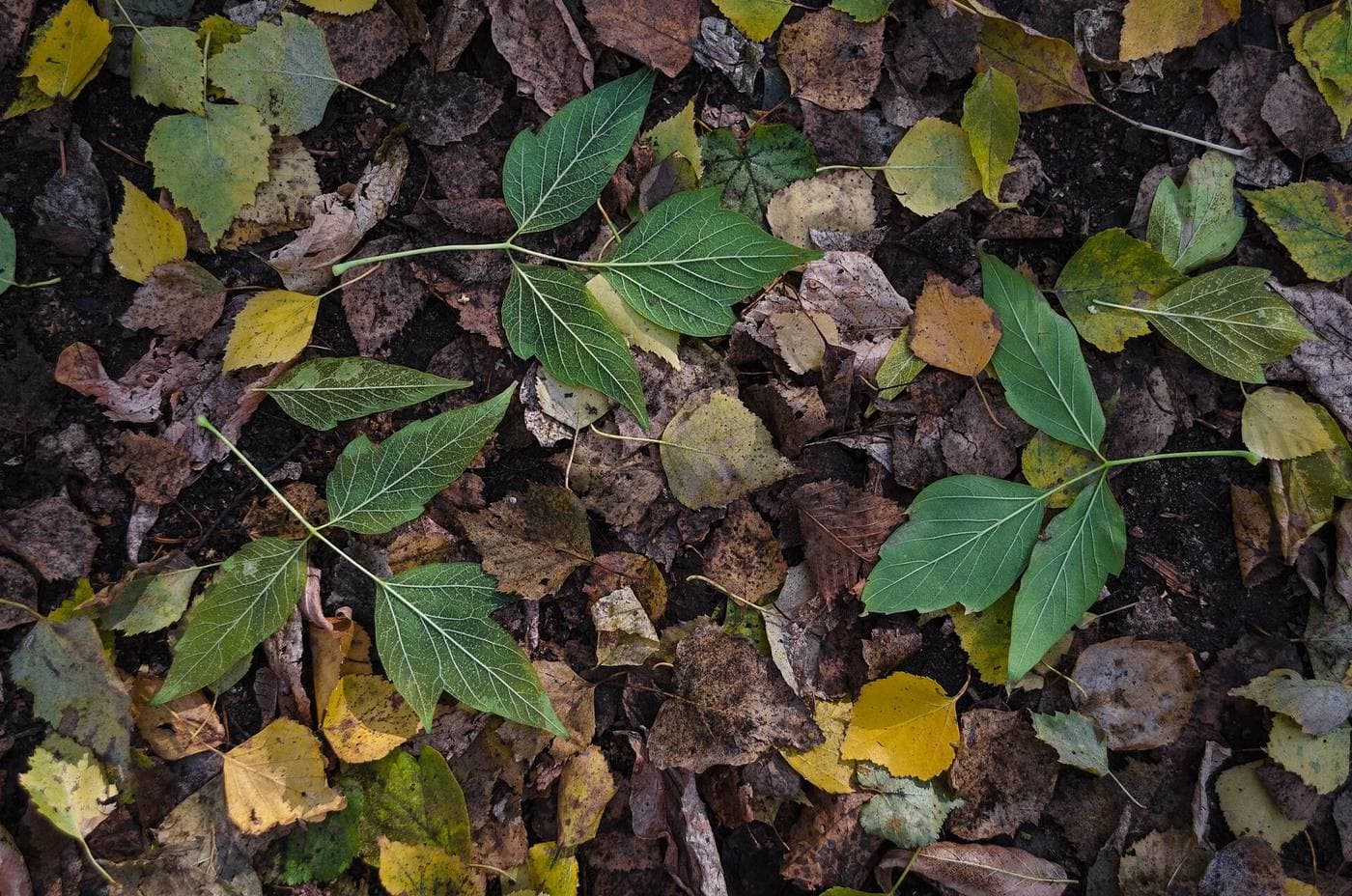 Leaf
Leaf-off ID
Identify it in winter
- 01Opposite branching — boxelder is a true maple, even though it doesn't look like one.
- 02Twigs are green to purplish-green, often with a whitish waxy bloom.
- 03Buds are white and fuzzy; the narrow opposite leaf scars meet in raised points around the twig.
- 04Clusters of V-shaped winged seeds often hang on all winter.
- 05Bark is thin, pale gray to light brown, with shallow ridges that deepen with age. Trees are often multi-trunked with a bushy crown and sprouts along the trunk.
In summer
- The only native maple with compound leaves: 3–7 (rarely 9) leaflets.
- The end leaflet often looks like a small, three-lobed maple leaf.
Easily confused with
Green ash
Also opposite with compound leaves, but its leaves carry 7–9 leaflets, its gray to green-brown twigs have semicircular leaf scars with the bud perched on top, and its seeds are single-winged instead of paired.
FAQ
Boxelder questions
- Can you tap a boxelder for syrup?
- Yes, with caveats. Yes, it's a real maple and its sap can be sweet — just expect less of it and a darker, molasses-like syrup. Its sap sugar is often 2% or more (2.2–2.8% in a Utah study); individual trees can top 3–4%.
- How much boxelder sap makes a gallon of syrup?
- About 31 to 39 gallons of sap make one gallon of syrup at its usual 2.2–2.8% sap sugar, by the updated Rule of 86. Most boxelder syrup has its own molasses- or sorghum-like flavor, strongest in darker grades — boil it separately from other maples. On the Canadian prairies it's sold as “Manitoba maple syrup.” A bucket tap typically makes about a third to half a quart of syrup a year, vs. roughly a quart from sugar maple.
- When do you tap a boxelder?
- Boxelder breaks bud earlier than sugar maple, so plan on an early, shorter run. In the Utah study it flowed for about five to six weeks, from late February or early March into early April.
Tree ID
Other trees people tap

LuckySap · free on iPhone & Android
Keep this season's numbers for next year
LuckySap logs every collection with its sugar reading and your notes, then lines this season up against the last. Free on iPhone and Android.