Acer platanoides
Can you tap a norway maple?
Short answer
Fair, lower yieldYes, with caveats. Tappable and surprisingly sweet, but stingy with sap — and an invasive you shouldn't plant.
- Sap sugar
- 2.2–2.8%
- Sap : syrup
- 31–39 : 1
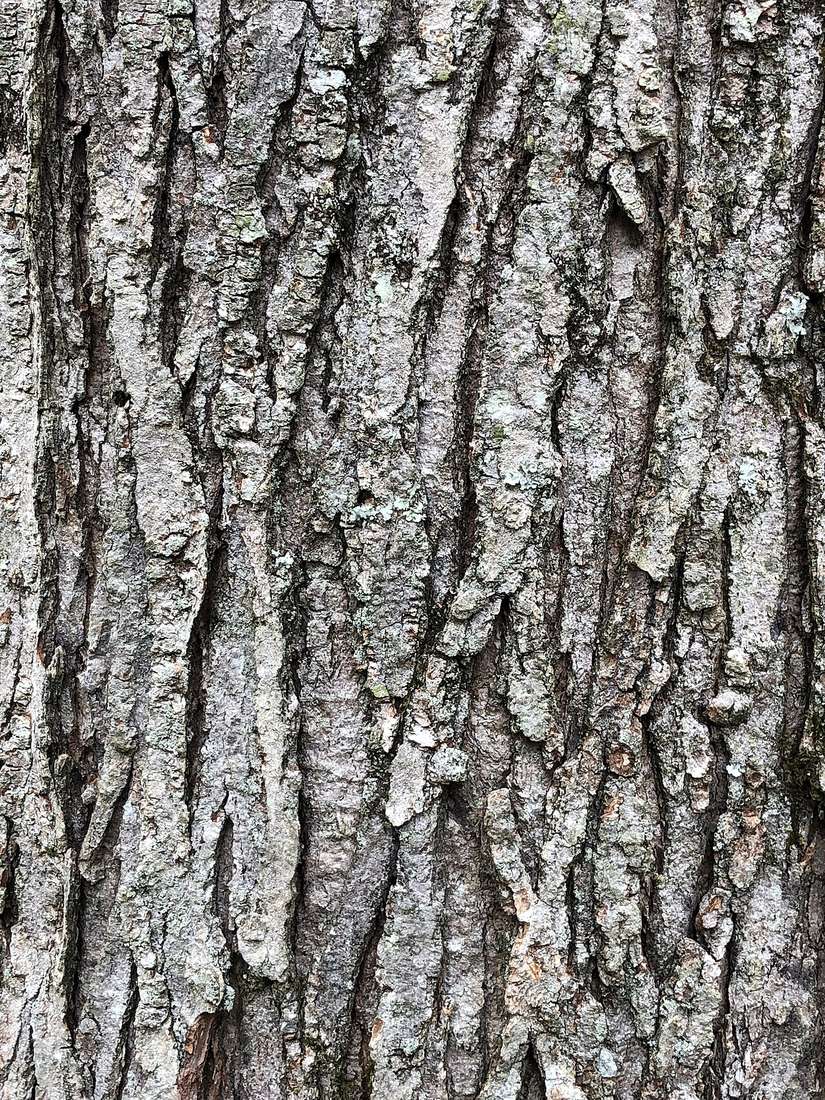
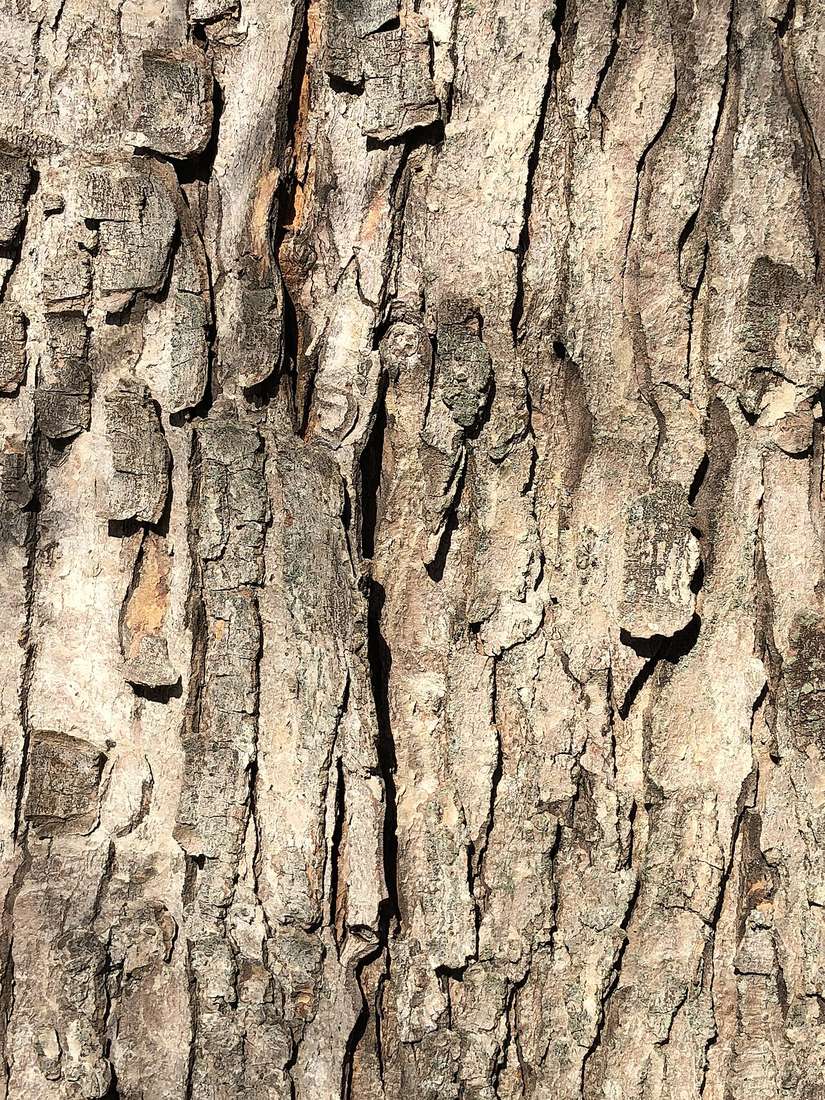
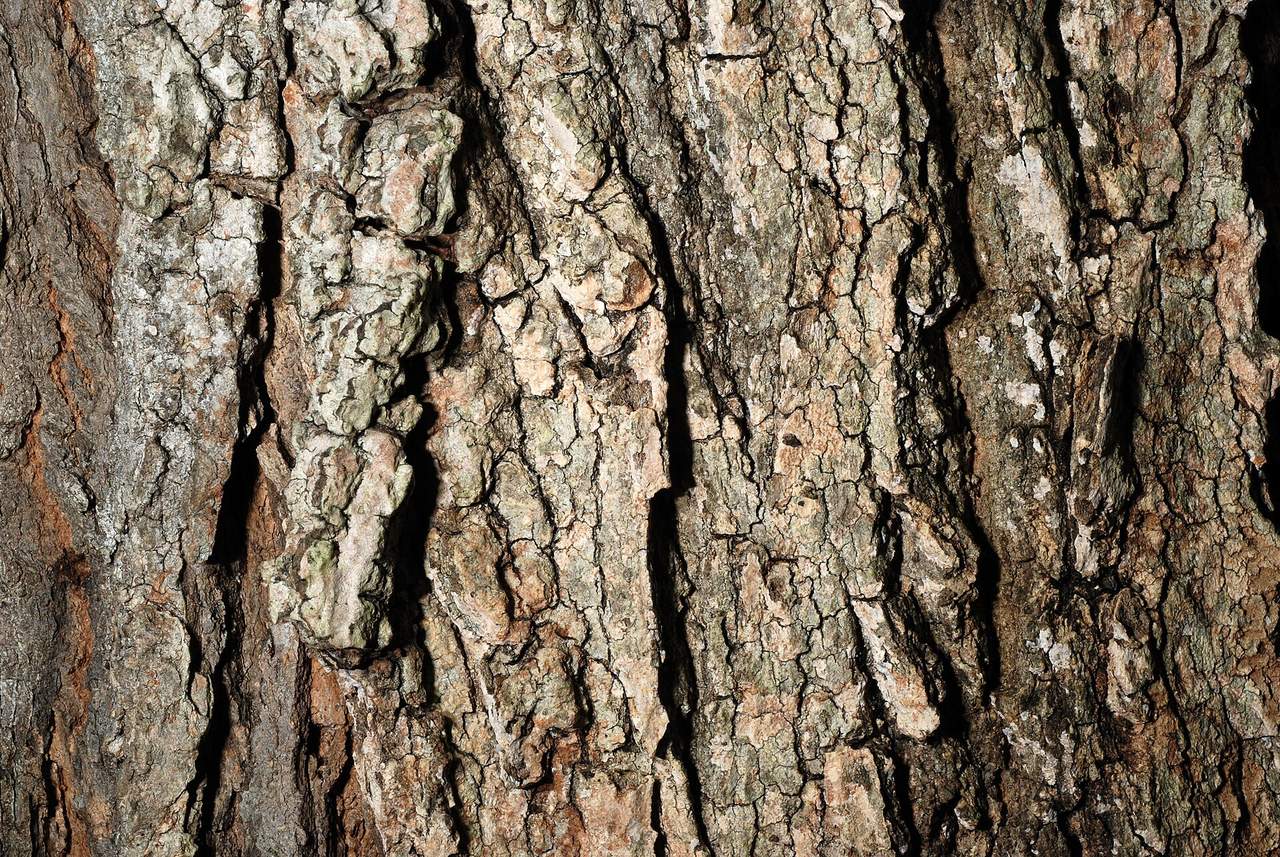
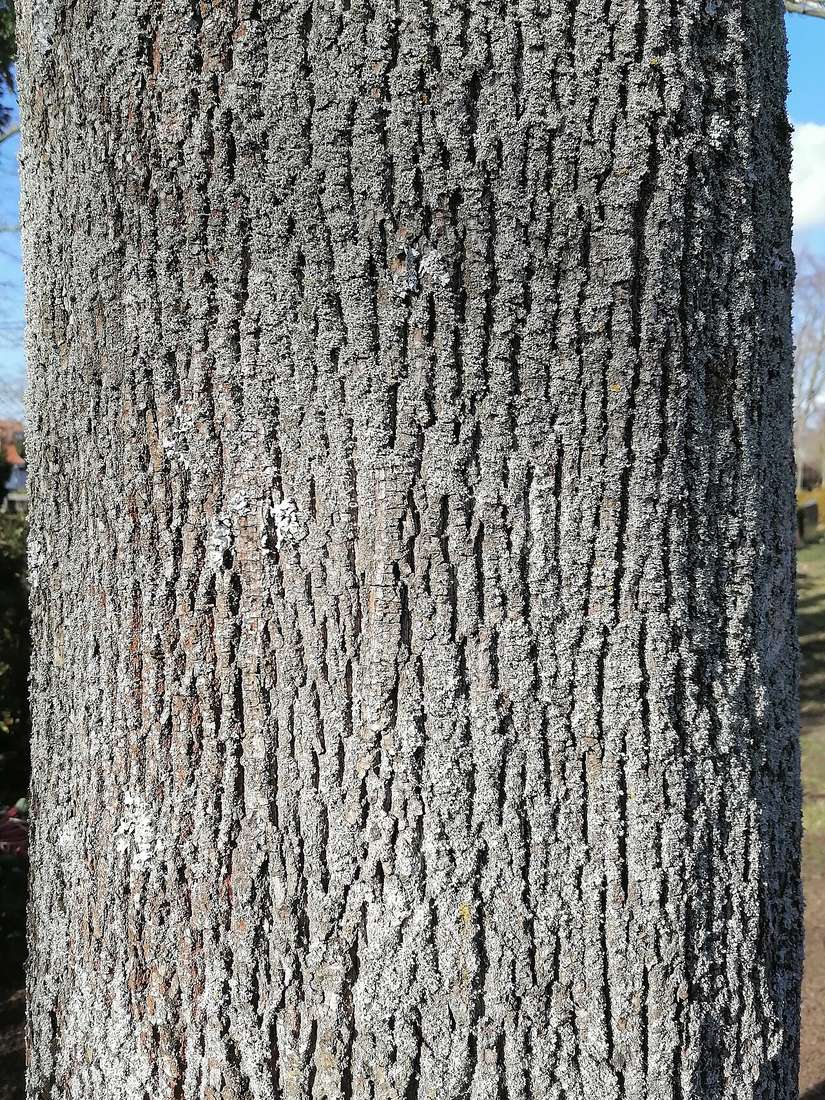 Bark
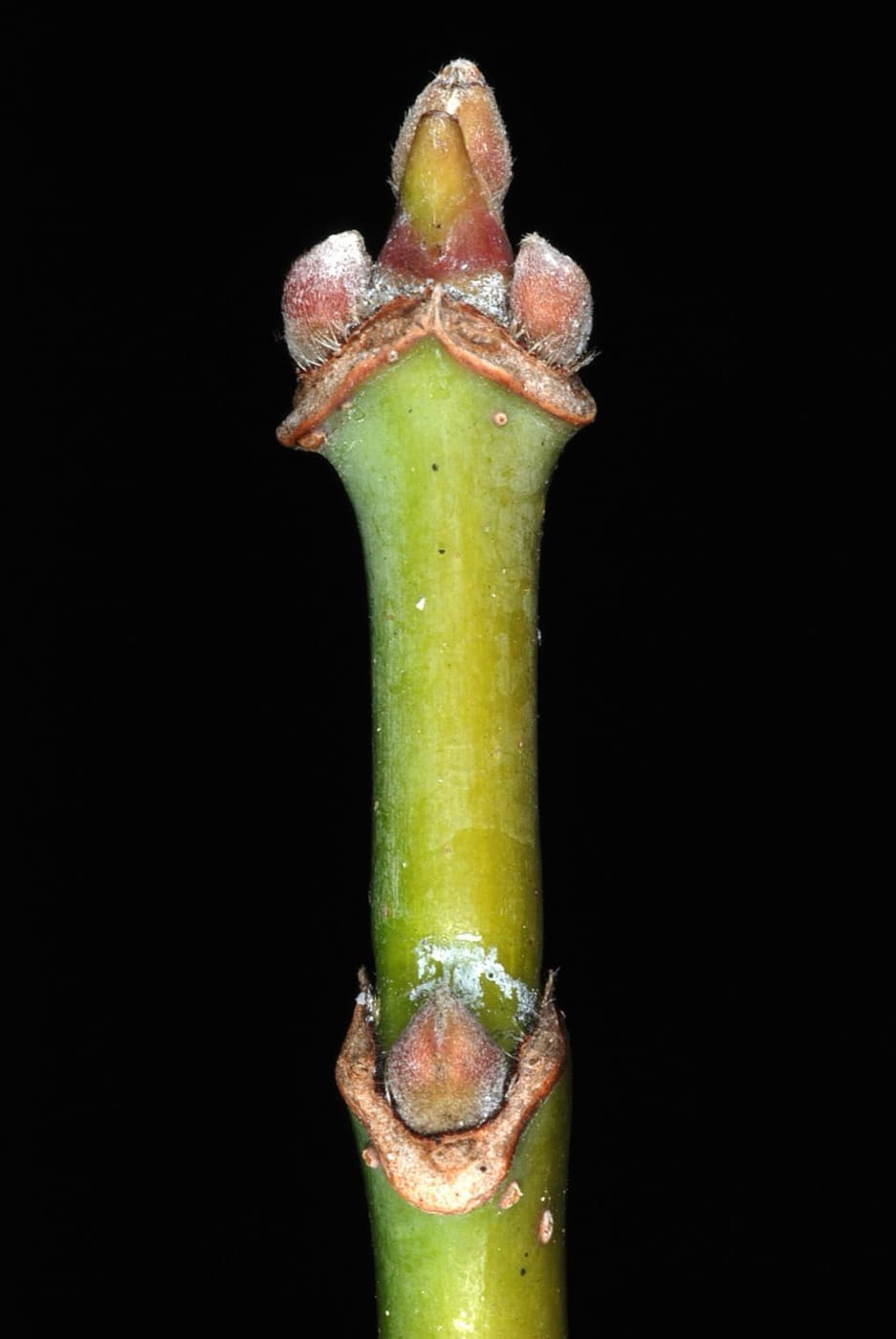
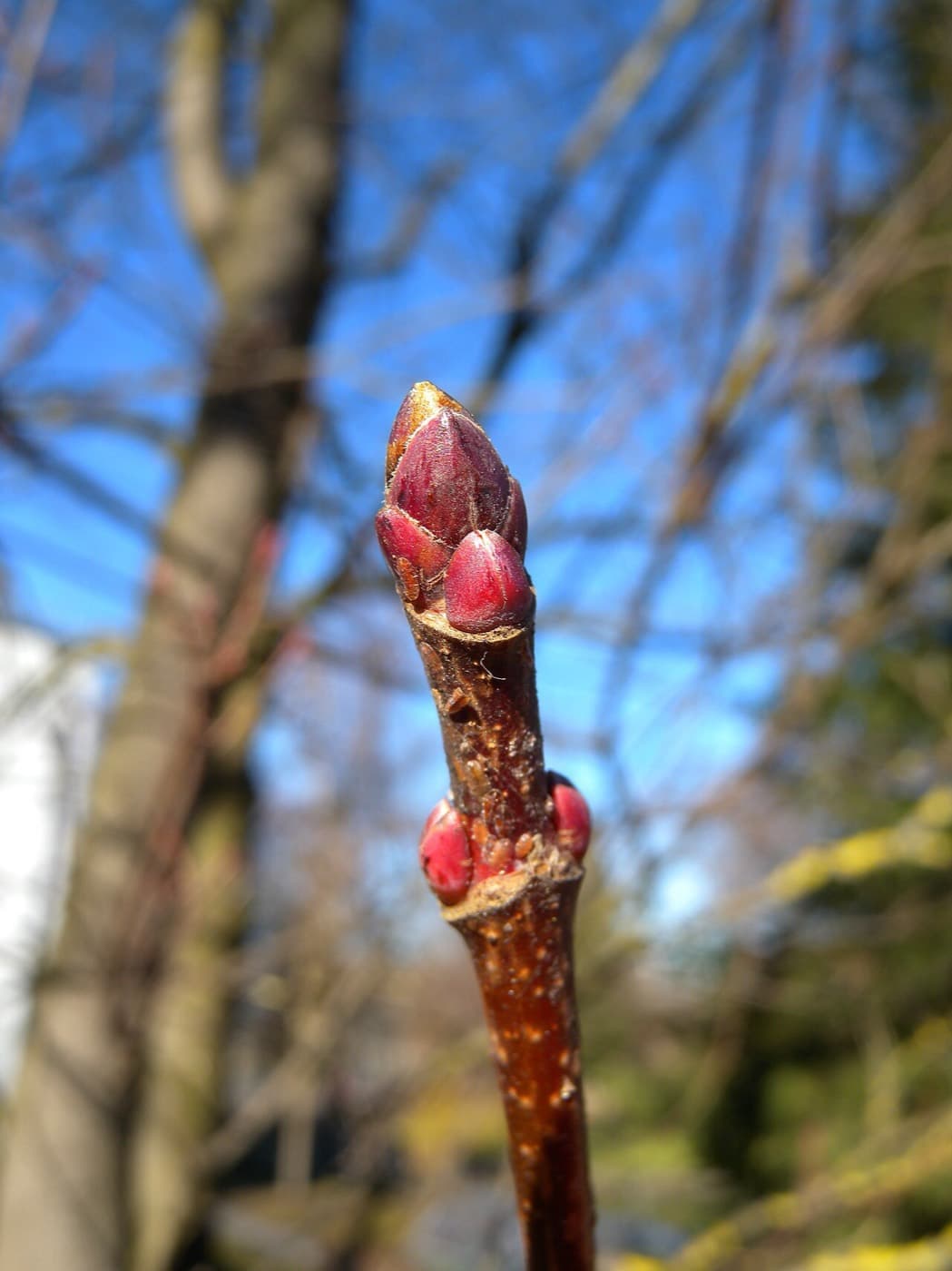 Winter buds & twig
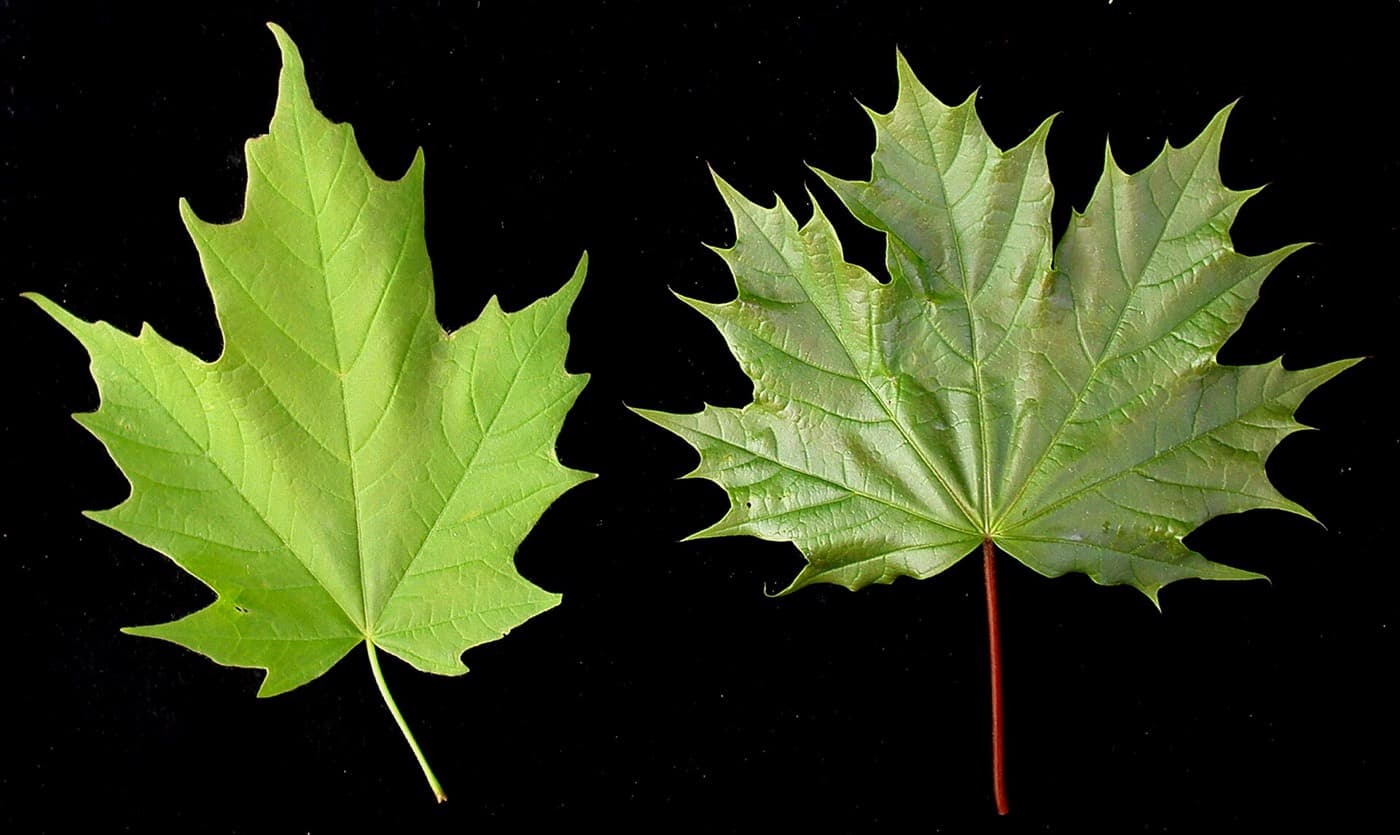 Leaf
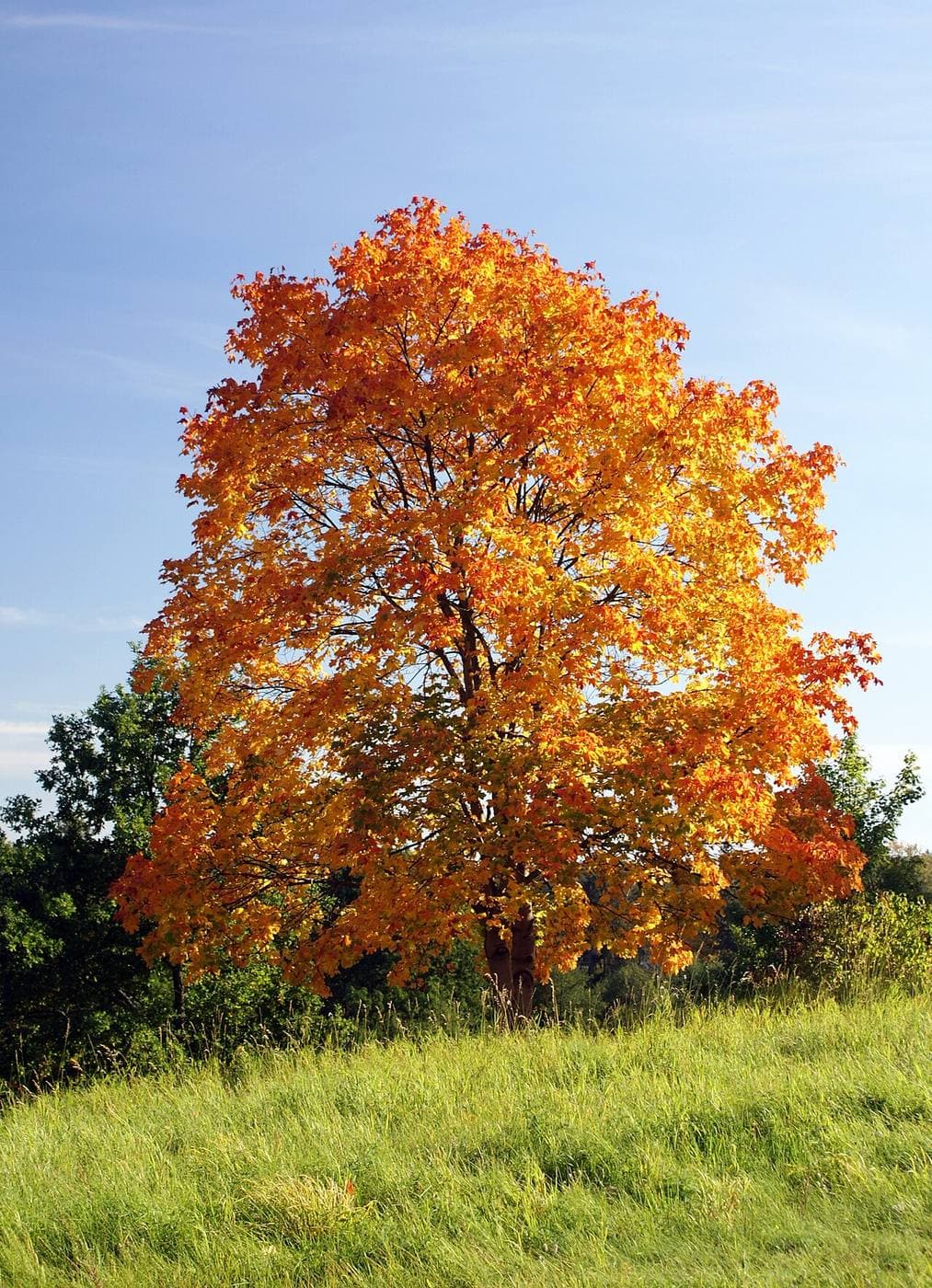 Whole tree
Leaf-off ID
Identify it in winter
- 01Opposite branching with stout brown twigs.
- 02Big, fat, turban-shaped buds that start green and mature to reddish-purple — sugar maple's are slim, sharp and brown.
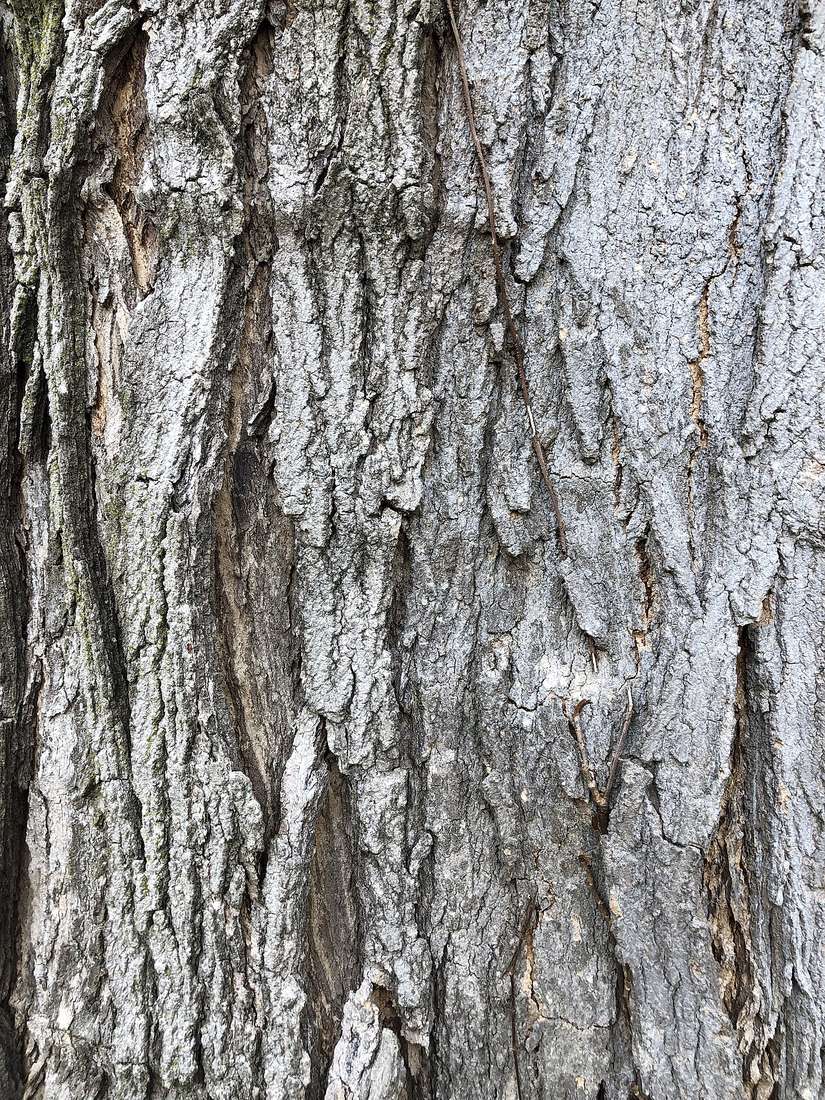
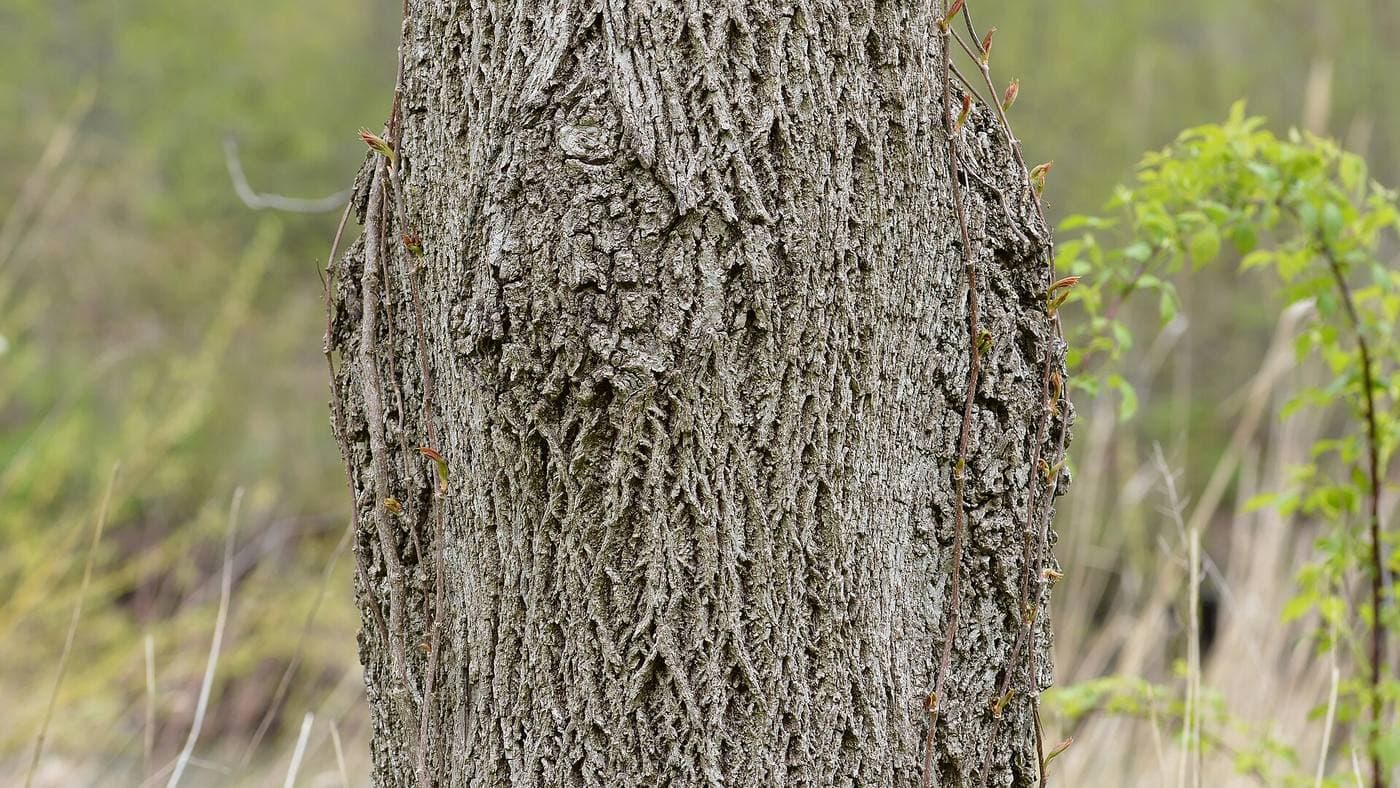
- 03Bark is gray-brown with tight, shallow, interlacing ridges — a tidy crosshatch, not curling plates.
- 04Winged seeds spread almost flat, like a handlebar mustache, and often hang on into winter.
- 05Usually a yard or street tree with a dense, rounded crown; it holds its leaves later in fall than most native trees.
In summer
- Leaves have 5–7 lobes ending in long, pointed teeth, and are usually wider than they are long.
- Snap a leaf stem: milky white sap means Norway maple. Native maples bleed clear.
- Turns yellow in fall. The dark-purple ‘Crimson King’ is a Norway maple too.
Easily confused with
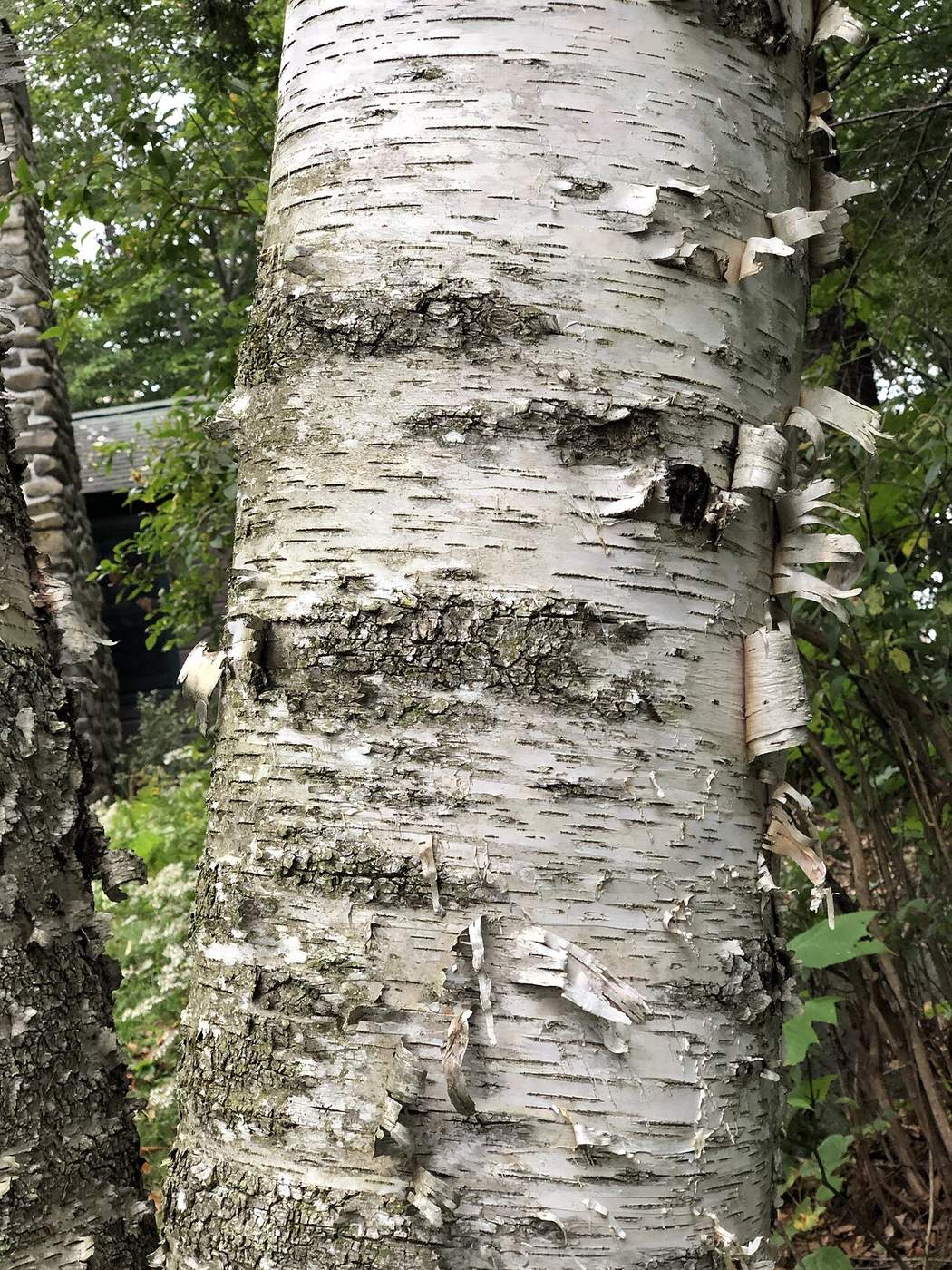
Slim, sharp brown buds; bark in plates that curl outward; clear sap from the leaf stem; seeds that hang down in a horseshoe.
London planetree
Maple-shaped leaves on a similar big street tree, but its branching is alternate — every maple is opposite.
FAQ
Norway maple questions
- Can you tap a norway maple for syrup?
- Yes, with caveats. Tappable and surprisingly sweet, but stingy with sap — and an invasive you shouldn't plant. Its sap sugar is about 2.2–2.8% in a two-year Utah study — close to sugar maple.
- How much norway maple sap makes a gallon of syrup?
- About 31 to 39 gallons of sap make one gallon of syrup at its usual 2.2–2.8% sap sugar, by the updated Rule of 86. In an Ontario study, a taste panel picked Norway and sugar maple syrup almost equally. Expect low volume: Utah trees gave only about 2–2.5 gallons (7.5–9.3 L) of sap per tree per season.
- When do you tap a norway maple?
- Tap it alongside your other maples; in the Utah study the season ran about five to six weeks, from late February or early March into early April. It leafs out early in spring, so watch for bud swell.
Tree ID
Other trees people tap

LuckySap · free on iPhone & Android
Keep this season's numbers for next year
LuckySap logs every collection with its sugar reading and your notes, then lines this season up against the last. Free on iPhone and Android.