Best for syrup
Black maple
Acer nigrum
Tap it exactly like sugar maple — same sweet sap, same long season.
 Bark
Bark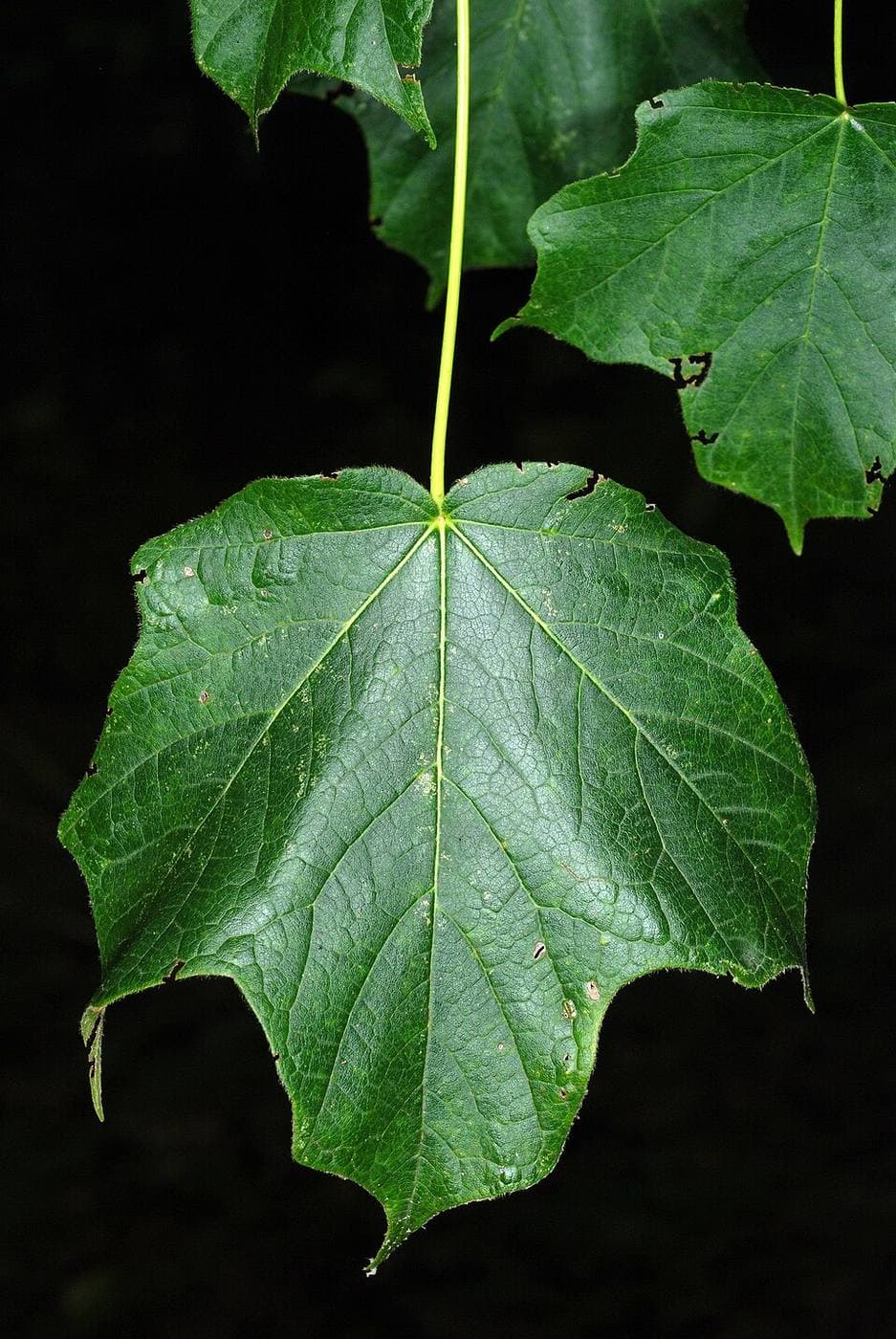 Leaf
Leaf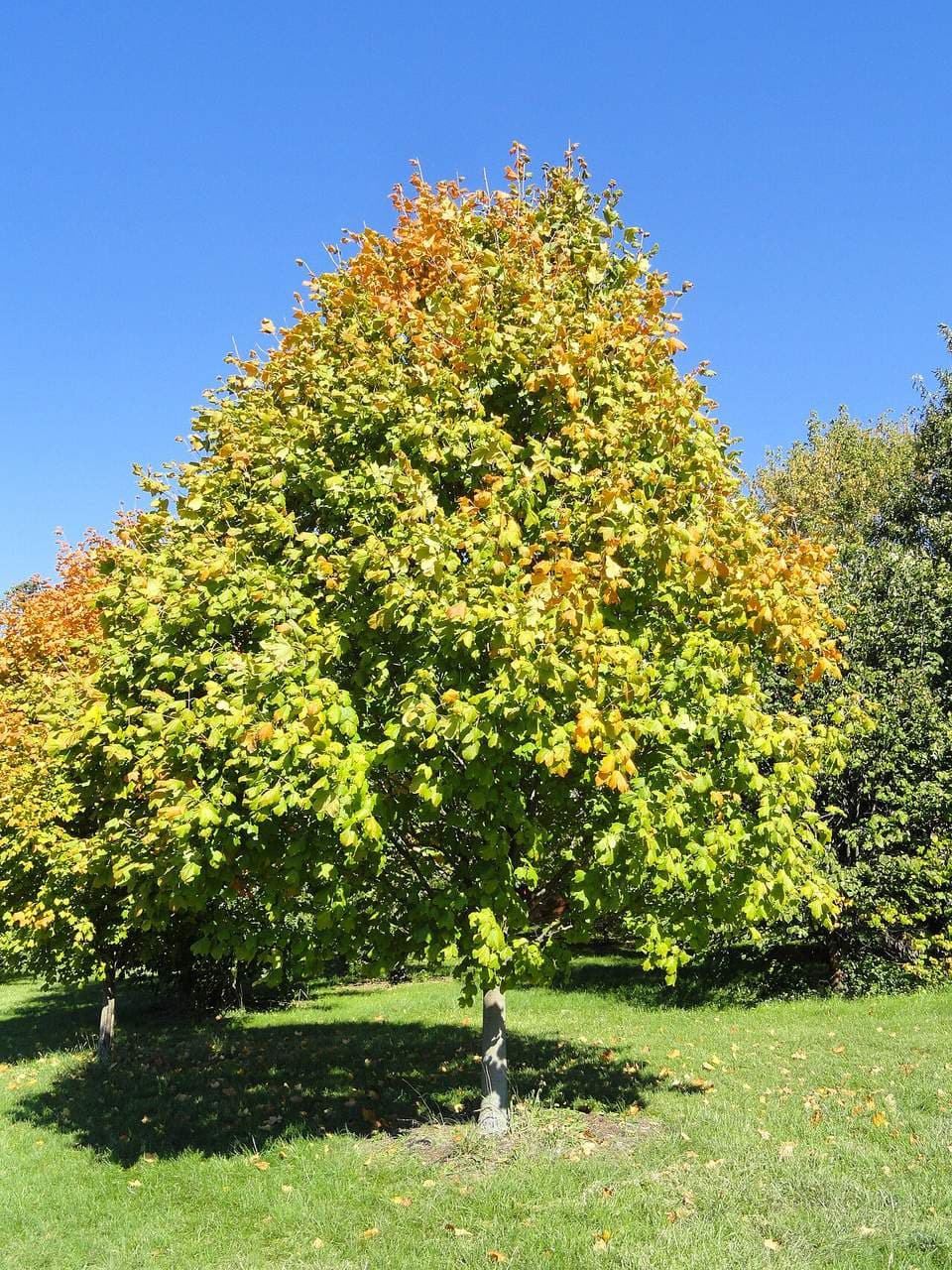 Whole tree
Identify it in winter
- Opposite branching with sharp-pointed brown buds like sugar maple's — but plumper and often fuzzy.
- Twigs carry raised, bumpy lenticels and may be gray-hairy near the tip (sugar maple's are smooth).
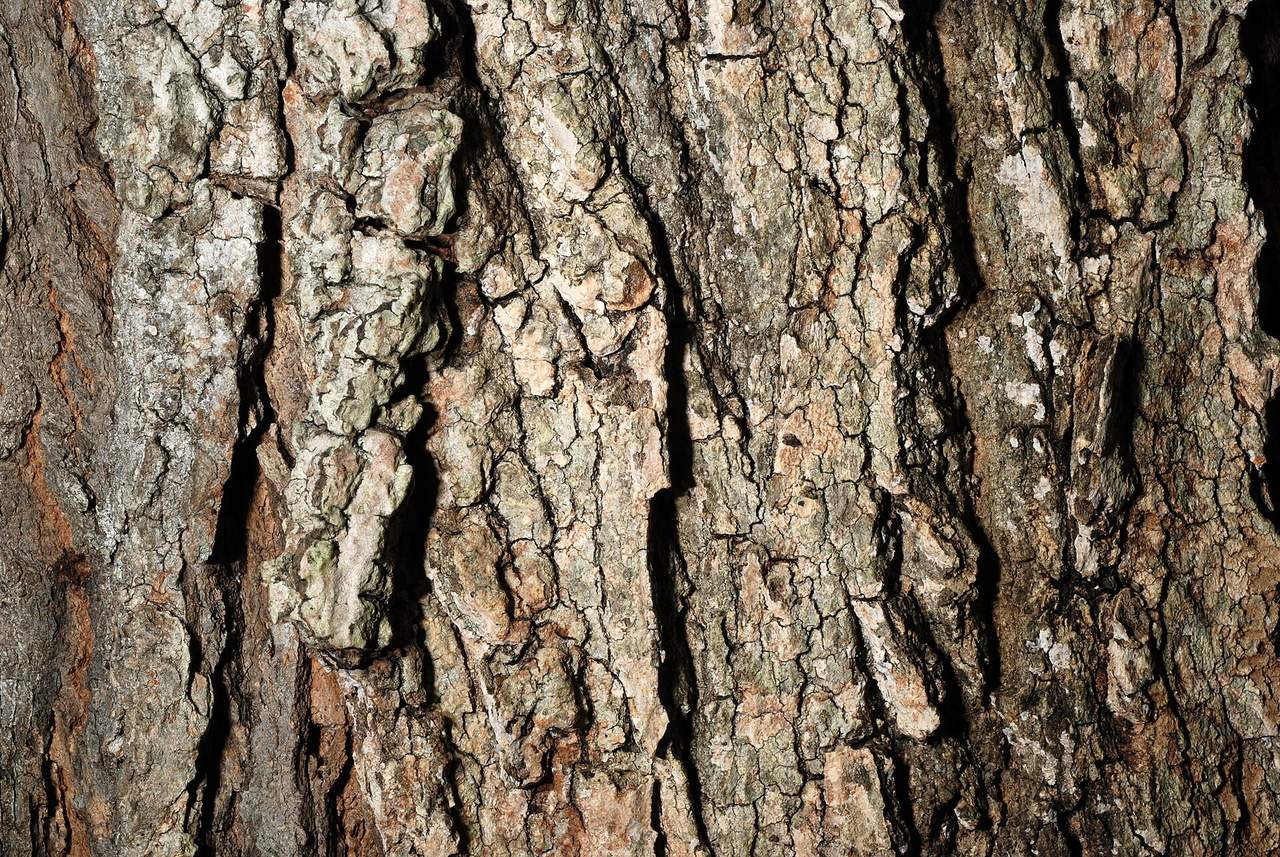
- Bark is darker than sugar maple's — dark gray-brown to nearly black — with ridges and deep furrows rather than curling plates.
- Likes moist river bottoms, and hybridizes freely with sugar maple, so plenty of trees look in-between.
In summer
- Leaves usually 3-lobed (sometimes 5), with sides that droop like they're wilting.
- Look for small leafy stipules at the base of the leaf stem and fuzzy leaf undersides — sugar maple has neither.
- Colors and drops its leaves earlier in fall than sugar maple.
Easily confused with
Sugar maple
Flat, 5-lobed leaves with no stipules, smooth twigs, and platier bark. For tapping purposes, it doesn't matter which one you have.
Norway maple
Fat, rounded green-to-purple buds, and milky sap from a snapped leaf stem.
Other trees
Keep this season's numbers for next year
LuckySap logs every collection with its sugar reading and your notes, then lines this season up against the last. Free on iPhone.