Skip to content
LuckySap
Connecticut · public-land rules · source review 2026-10-14

Can you tap maple trees on public land in Connecticut?

State forests and parks require DEEP authorization before you damage or remove vegetation. The rules include scientific, educational and special-use permissions, but do not grant visitors a general right to tap maple trees. Connecticut has no national forest.
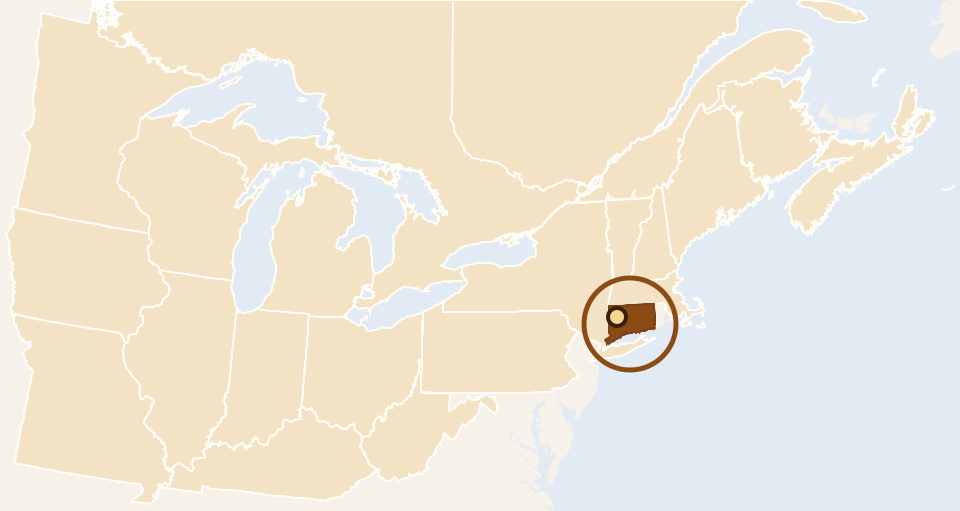
Connecticut highlighted on a map of the maple belt, with its forecast town (Litchfield) marked
Connecticut in the maple beltDots: Litchfield

At a glance

State forests
Restricted; see rule
State parks
Restricted; see rule
National forests
Not applicable

Source confidence: medium. Restrictions may have exceptions; an unconfirmed permission is not a finding that no rule exists.

Before you tap: what to confirm

The state park and forest regulation is confirmed. Whether DEEP will authorize your particular tapping project, and any conditions or fees, remains a decision for DEEP; no general personal-use maple permit is established by the sources here.

State forests

Restricted; see rule

Connecticut's state park and forest rule, § 23-4-1(b)(1), prohibits injuring, altering or removing trees and other vegetation unless DEEP authorizes it. It provides a written-application process for scientific or educational collection, with conditions set by the commissioner. Commercial or private-gain use also requires written permission or a Special Use License under § 23-4-1(h). Neither provision is a standing maple-tapping permit. Obtain an answer from DEEP covering both the tree work and your intended use before tapping.

State parks

Restricted; see rule

The same § 23-4-1 tree-protection and commercial-use rules apply in state parks. DEEP's Special Use License page is the starting point for activities outside ordinary park use, but a license for an event does not by itself authorize drilling trees or collecting sap. Describe the trees, equipment, dates and whether the syrup will be sold when asking DEEP about approval.

National forests

Not applicable

Connecticut has no national forest.

Town, county and roadside trees

Town forests, land-trust and municipal park land and street trees need the owner's permission; CGS § 52-560 covers public land generally. No local tapping programs were surveyed.

Private land you don't own

Get the owner's license, ideally in writing. The statute doesn't name tapping, but cutting, destroying or carrying away trees or shrubbery on another's land without license carries three times the reasonable value (five times for Christmas trees), reduced to single value if the court finds an honest mistake about the boundary (CGS § 52-560). UVM Extension's annotated sugarbush lease is a usable template.

Lease rates seen in the sources: No Connecticut-specific survey was opened. UVM Extension's 2019 survey of 312 northeastern producers found the most common rent was $1.00–$1.24 per tap per year, then $0.50–$0.99 ("Maple Rental Rates," January 2020).

FAQ

Connecticut's public-land questions

Can I tap maple trees in Connecticut state forests?
Restricted; see rule. Connecticut's state park and forest rule, § 23-4-1(b)(1), prohibits injuring, altering or removing trees and other vegetation unless DEEP authorizes it. It provides a written-application process for scientific or educational collection, with conditions set by the commissioner. Commercial or private-gain use also requires written permission or a Special Use License under § 23-4-1(h). Neither provision is a standing maple-tapping permit. Obtain an answer from DEEP covering both the tree work and your intended use before tapping.
Can I tap maple trees in Connecticut state parks?
Restricted; see rule. The same § 23-4-1 tree-protection and commercial-use rules apply in state parks. DEEP's Special Use License page is the starting point for activities outside ordinary park use, but a license for an event does not by itself authorize drilling trees or collecting sap. Describe the trees, equipment, dates and whether the syrup will be sold when asking DEEP about approval.
Can I tap maple trees in Connecticut national forests?
Not applicable. Connecticut has no national forest.
Can I tap trees along the road or in a town park in Connecticut?
Town forests, land-trust and municipal park land and street trees need the owner's permission; CGS § 52-560 covers public land generally. No local tapping programs were surveyed.

LuckySap · free on iPhone & Android

Found trees? Know when they'll run.

LuckySap turns the forecast for your spot into a day-by-day sap outlook and logs every collection and boil. Free on iPhone and Android.

Download on the App StoreGet it on Google Play