Skip to content
LuckySap
Kentucky · public-land rules · source review 2026-10-14

Can you tap maple trees on public land in Kentucky?

State parks and refuges require written permission before trees may be damaged. For state forests and Daniel Boone National Forest, a maple-tapping authorization is not established by the sources here; ask the relevant forest manager about your proposed site and activity.
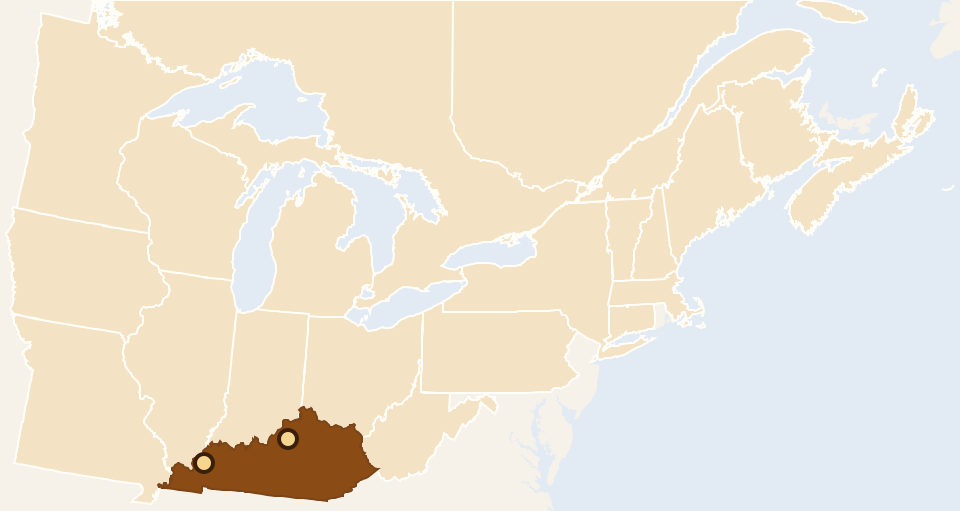
Kentucky highlighted on a map of the maple belt, with its forecast towns (Marion, Shelbyville) marked
Kentucky in the maple beltDots: Marion · Shelbyville

At a glance

State forests
Permission not confirmed
State parks
Restricted; see rule
National forests
Permission not confirmed

Source confidence: low. Restrictions may have exceptions; an unconfirmed permission is not a finding that no rule exists.

Before you tap: what to confirm

The state park statute and current timber-sale regulation are confirmed. Kentucky's state forest sap-permission process remains unconfirmed, as does Daniel Boone National Forest's position on a personal-use tapping permit. Obtain the managing agency's answer for the actual site.

State forests

Permission not confirmed

The current 402 KAR 3:010 regulates major and minor timber sales from state forests. It does not establish a personal-use maple-sap permit, and a timber-sale process should not be treated as permission to tap. Ask the Division of Forestry whether it can authorize sap collection on the specific forest, including tubing and access. Older versions referred to a free forest-products removal memorandum; that reference is not a basis for claiming a current sap exemption.

State parks

Restricted; see rule

KRS 433.750 prohibits damaging trees and other vegetation in state parks, refuges and sanctuaries without prior written permission from the superintendent or custodian. It sets a $25–$300 fine. The Department of Parks also describes a plant-collecting approval policy. Ask the park about the proposed tapping activity; neither park entry nor permission to collect a different material authorizes drilling trees.

National forests

Permission not confirmed

The Daniel Boone National Forest's permits page (updated January 2026) says forest products "may require a permit to be harvested" and directs people to district offices; it names firewood and special uses but not maple sap. The default federal rule prohibits damaging or removing any tree or forest product without authorization (36 CFR 261.6); ask a district office whether it would permit tapping (not confirmed).

Forests in Kentucky: Daniel Boone National Forest

Town, county and roadside trees

County and city parks and street trees need the local government's permission; KRS 433.750 also covers trees on state highway and county road rights-of-way, where written permission of the engineer in charge is required. No local tapping programs were surveyed.

Private land you don't own

Get the owner's permission and record the trees, equipment and access terms in writing. KRS 364.130 concerns cutting or sawing down another owner's timber and generally provides triple damages plus legal costs, with specified exceptions. It does not name sap tapping, so those timber-cutting damages should not be presented as an automatic penalty for every unauthorized taphole.

Lease rates seen in the sources: No Kentucky-specific survey was opened. UVM Extension's 2019 northeastern survey found private rents most commonly $1.00–$1.24 per tap per year ("Maple Rental Rates," January 2020).

FAQ

Kentucky's public-land questions

Can I tap maple trees in Kentucky state forests?
Permission not confirmed. The current 402 KAR 3:010 regulates major and minor timber sales from state forests. It does not establish a personal-use maple-sap permit, and a timber-sale process should not be treated as permission to tap. Ask the Division of Forestry whether it can authorize sap collection on the specific forest, including tubing and access. Older versions referred to a free forest-products removal memorandum; that reference is not a basis for claiming a current sap exemption.
Can I tap maple trees in Kentucky state parks?
Restricted; see rule. KRS 433.750 prohibits damaging trees and other vegetation in state parks, refuges and sanctuaries without prior written permission from the superintendent or custodian. It sets a $25–$300 fine. The Department of Parks also describes a plant-collecting approval policy. Ask the park about the proposed tapping activity; neither park entry nor permission to collect a different material authorizes drilling trees.
Can I tap maple trees in Kentucky national forests?
Permission not confirmed. The Daniel Boone National Forest's permits page (updated January 2026) says forest products "may require a permit to be harvested" and directs people to district offices; it names firewood and special uses but not maple sap. The default federal rule prohibits damaging or removing any tree or forest product without authorization (36 CFR 261.6); ask a district office whether it would permit tapping (not confirmed).
Can I tap trees along the road or in a town park in Kentucky?
County and city parks and street trees need the local government's permission; KRS 433.750 also covers trees on state highway and county road rights-of-way, where written permission of the engineer in charge is required. No local tapping programs were surveyed.

LuckySap · free on iPhone & Android

Found trees? Know when they'll run.

LuckySap turns the forecast for your spot into a day-by-day sap outlook and logs every collection and boil. Free on iPhone and Android.

Download on the App StoreGet it on Google Play