Skip to content
LuckySap
New Hampshire · public-land rules · verified 2026-10-05

Can you tap maple trees on public land in New Hampshire?

Not as of right. New Hampshire's rule for all Forests and Lands / Parks properties bars removing or damaging any plant, and we found no state sugaring lease or permit program — although the law does let the department lease "privileges" on state reservations for up to five years, so a sugarbush lease is legally possible. The White Mountain National Forest doesn't publish a maple policy.

At a glance

State forests
No
State parks
No
National forests
No rule found

Confidence: medium. Factual guidance from the sources below, not legal advice.

State forests

No

On any property of the Department of Natural and Cultural Resources (the rules still say "DRED," the department's former name) "No person shall remove, damage, deface, disturb or alter any ... plant" (N.H. Code Admin. R. Res 7301.05). The commissioner "may make contracts for the leasing of privileges and concessions on state reservations, for periods not exceeding 5 years," with Governor and Executive Council approval for anything over three years or $2,500 a year (RSA 227-H:9) — that is the legal door a sugarbush lease would come through. We found no sugaring lease, license or permit program published by the Division of Forests and Lands, and no hobby option (not confirmed either way; the Governor and Council agendas that might list such leases were unreachable). Ask the Division of Forests and Lands in Concord.


State parks

No

The same Res 7301.05 rule covers state parks, which are run by the Division of Parks and Recreation within the same department: no removing, damaging or disturbing plants, with no exception for tapping. Fish and Game wildlife management areas were not checked.

National forests

No rule found

The White Mountain National Forest's permits page covers personal-use firewood ($20 for two cords), $5 Christmas trees, mineral collecting and gold panning, and says nothing about maple sap or tapping. The default federal rule prohibits damaging or removing any tree or forest product unless the Forest Service authorizes it (36 CFR 261.6), so you'd need to ask a ranger district whether it issues forest-product or special-use permits for taps (not confirmed).

Forests in New Hampshire: White Mountain National Forest

Town, county and roadside trees

Town forests, conservation land and roadside trees need permission from the town (select board or conservation commission) or the abutting owner. New Hampshire's tree-damage statute protects "any tree ... which is on the land of another person" regardless of who that owner is. No statewide program for tapping town land was found (local programs were not surveyed).

Private land you don't own

You need the owner's or their agent's permission. New Hampshire's statute doesn't name tapping, but it says no one may negligently "cut, fell, destroy, injure, carry away" any tree, timber, wood or bark on another's land without permission, and a violator forfeits "no less than 3 and not more than 10 times the market value" of every tree injured (RSA 227-J:8, as amended effective January 1, 2022). Put any tapping arrangement in writing; UVM Extension's annotated sugarbush lease is the regional template.

Lease rates seen in the sources: No New Hampshire-specific survey was opened. UVM Extension's 2019 survey of 312 northeastern producers found the most common rent was $1.00–$1.24 per tap per year, then $0.50–$0.99 ("Maple Rental Rates," January 2020).

What to confirm

Whether any sugarbush leases exist on New Hampshire state land is not confirmed: searches found only communications-tower leases under RSA 227-H:9, and the Governor and Council agenda PDFs that turned up in search results returned server errors. Fish and Game lands and town programs were not checked.

FAQ

New Hampshire's public-land questions

Can I tap maple trees in New Hampshire state forests?
No. On any property of the Department of Natural and Cultural Resources (the rules still say "DRED," the department's former name) "No person shall remove, damage, deface, disturb or alter any ... plant" (N.H.
Can I tap maple trees in New Hampshire state parks?
No. The same Res 7301.05 rule covers state parks, which are run by the Division of Parks and Recreation within the same department: no removing, damaging or disturbing plants, with no exception for tapping. Fish and Game wildlife management areas were not checked.
Can I tap maple trees in New Hampshire national forests?
No rule found. The White Mountain National Forest's permits page covers personal-use firewood ($20 for two cords), $5 Christmas trees, mineral collecting and gold panning, and says nothing about maple sap or tapping. The default federal rule prohibits damaging or removing any tree or forest product unless the Forest Service authorizes it (36 CFR 261.6), so you'd need to ask a ranger district whether it issues forest-product or special-use permits for taps (not confirmed).
Can I tap trees along the road or in a town park in New Hampshire?
Town forests, conservation land and roadside trees need permission from the town (select board or conservation commission) or the abutting owner. New Hampshire's tree-damage statute protects "any tree ... which is on the land of another person" regardless of who that owner is. No statewide program for tapping town land was found (local programs were not surveyed).

LuckySap · free on iPhone & Android

Found trees? Know when they'll run.

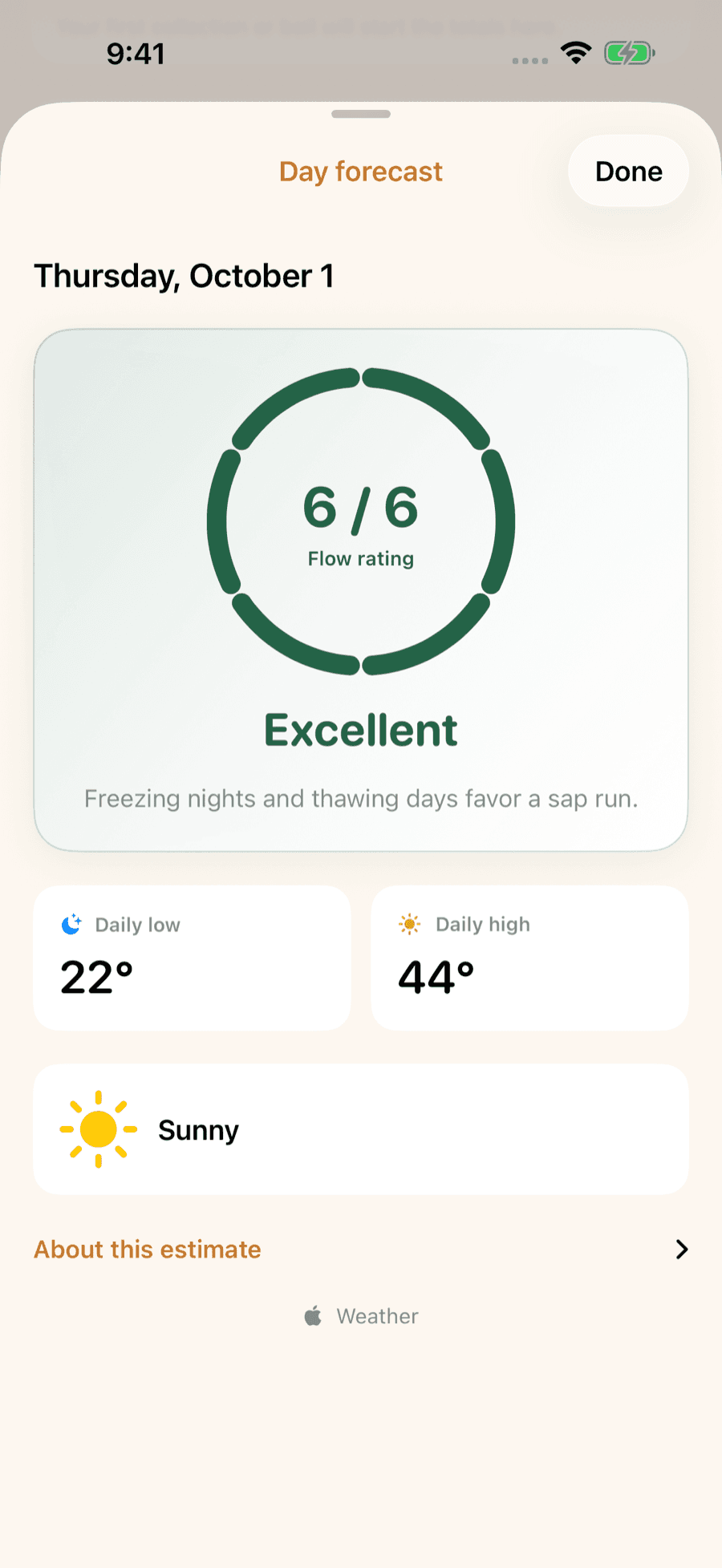
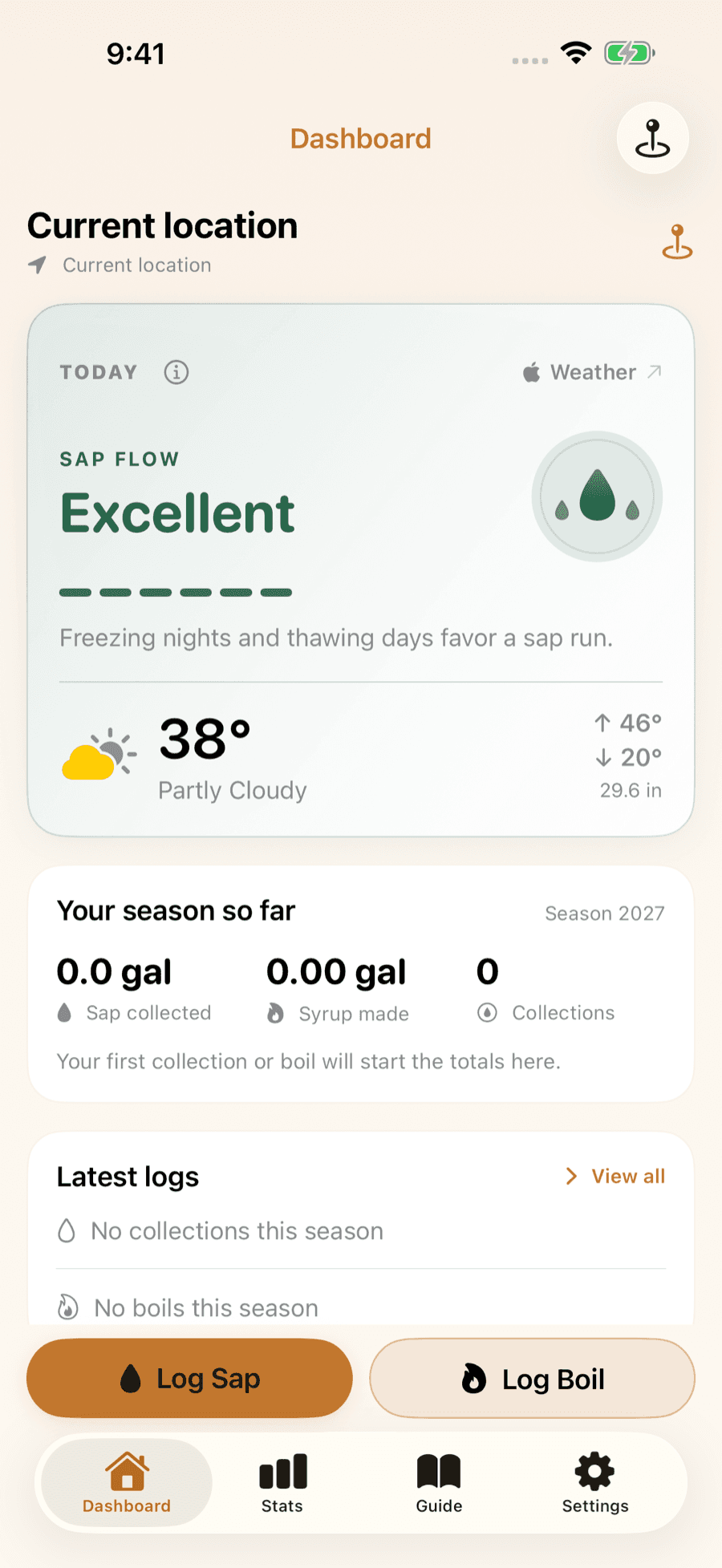
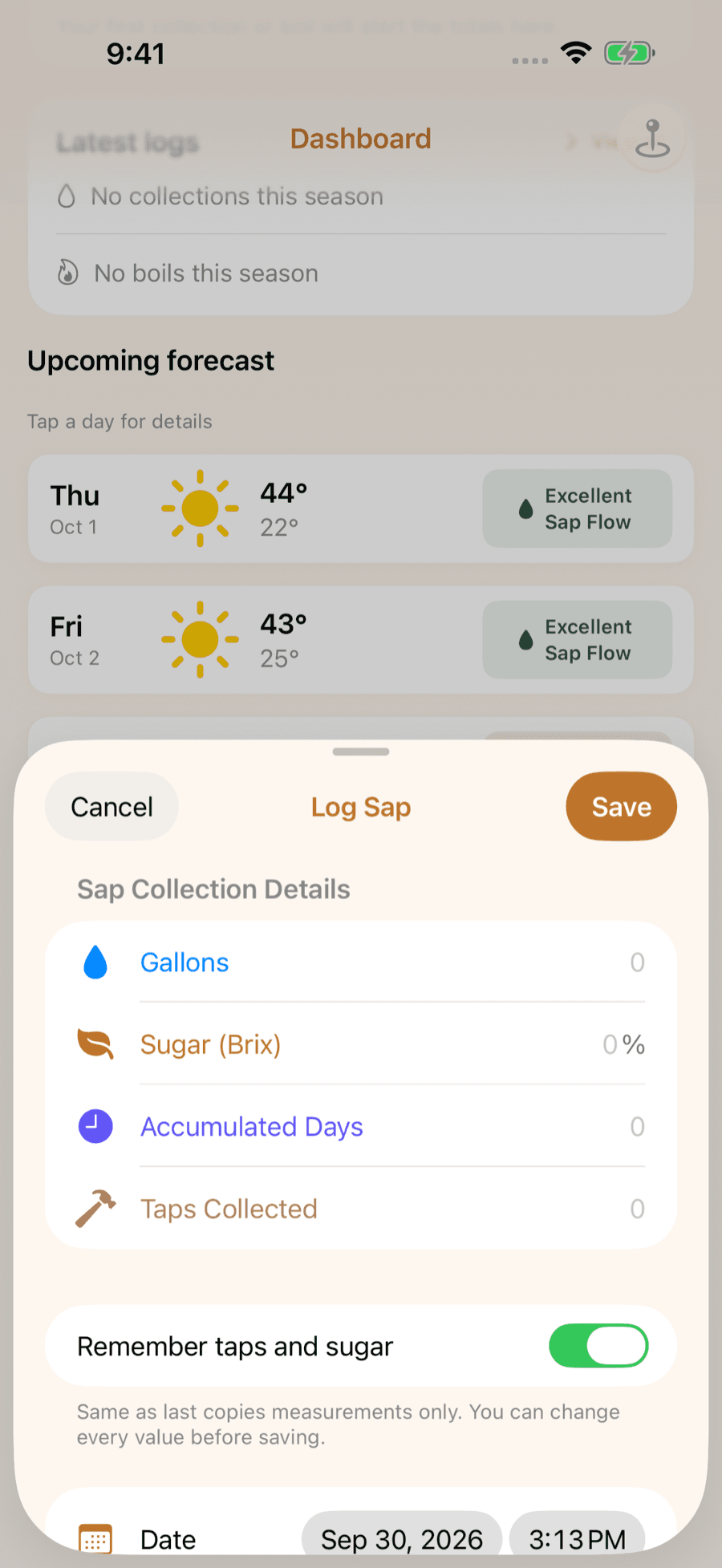
LuckySap turns the forecast for your spot into a day-by-day sap outlook and logs every collection and boil. Free on iPhone and Android.

Download on the App StoreGet it on Google Play